
Introduction to Nike HyperKO Boxing Shoes
Boxing requires a combination of speed, balance, coordination, and precise footwork. Every movement inside the ring matters, from stepping away from an opponent’s punch to moving forward with a combination. While gloves, hand wraps, and training equipment receive plenty of attention, footwear is another important part of a boxer’s preparation. The right shoes can help athletes move confidently, maintain balance, and feel connected to the canvas. This is where nike hyperko boxing shoes have attracted attention among boxing enthusiasts and competitive athletes.
Nike has built a strong reputation in athletic footwear, producing shoes for a wide range of sports, including running, basketball, training, and boxing. Its boxing footwear has appealed to athletes who want a lightweight design, supportive construction, and a close fit around the foot and ankle. The HyperKO line became known among boxing fans for its distinctive appearance and performance-oriented approach to ring movement.
Choosing boxing shoes, however, involves more than selecting a popular brand. A boxer needs footwear that suits their foot shape, training routine, experience level, and preferred style of movement. A shoe that works well for a fast-moving boxer may not feel equally comfortable to someone who prefers a more stable stance or spends long sessions working on technique.
Understanding the construction, benefits, limitations, and practical buying considerations of nike hyperko boxing shoes can help athletes make a more informed decision. Whether you are a beginner exploring boxing equipment or an experienced fighter comparing specialized footwear, learning what to look for is an important step toward finding the right pair.
What Are Nike HyperKO Boxing Shoes
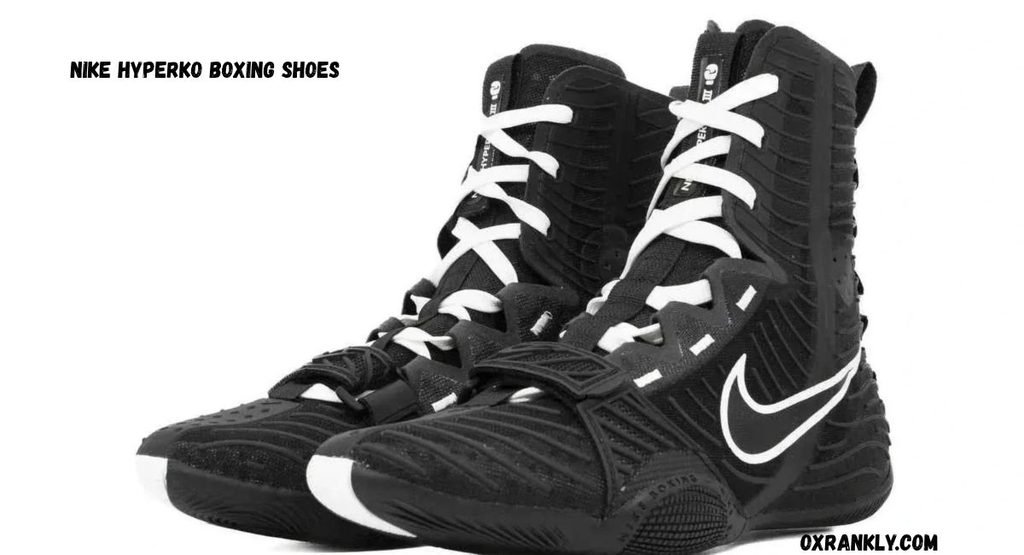
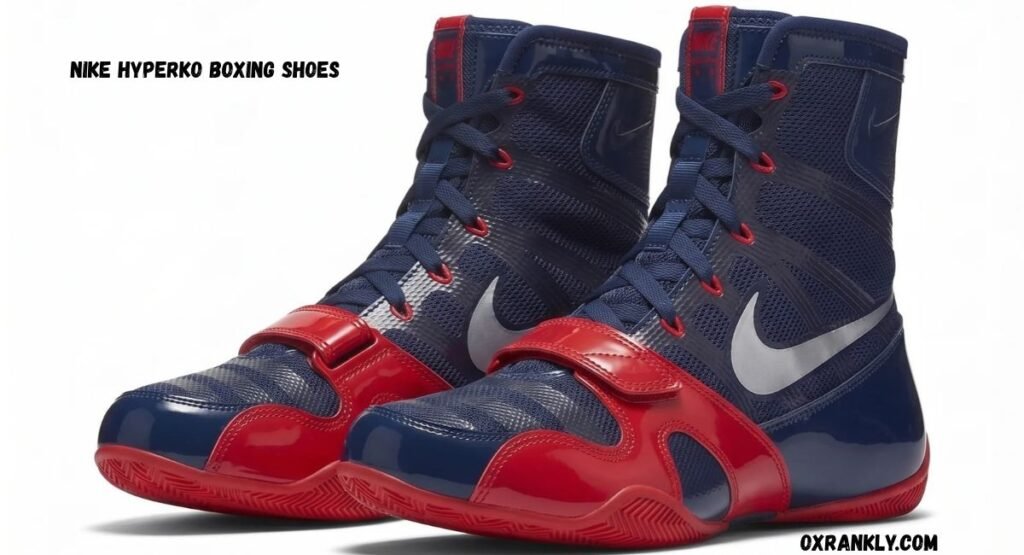
Nike HyperKO boxing shoes are specialized athletic shoes designed for boxing training and ring performance. Unlike ordinary running shoes or everyday sneakers, boxing shoes are developed with the particular demands of the sport in mind. Boxers repeatedly change direction, pivot on the balls of their feet, adjust their stance, and shift their weight between their legs. Their footwear needs to accommodate these movements without creating unnecessary bulk.
The HyperKO range is associated with a lightweight, performance-focused approach to boxing footwear. Its appeal comes from the combination of a close-fitting upper, a supportive structure, and a sole designed for controlled movement on suitable training surfaces. These characteristics are particularly relevant for athletes who spend significant time practicing combinations, defensive movements, and footwork drills.
Boxing shoes are different from general-purpose gym shoes because they prioritize ring movement rather than cushioning for running or jumping over long distances. Running shoes often feature thick midsoles intended to absorb repetitive impact. Boxing footwear typically uses a lower-profile construction to help athletes feel the surface beneath their feet and make controlled movements.
It is important to distinguish between different HyperKO models and versions. Design details, materials, availability, and fit may differ between releases. Buyers should verify the precise model they are considering instead of assuming that every shoe carrying the HyperKO name has identical features.
For anyone interested in specialized boxing equipment, the HyperKO name represents a category of footwear worth evaluating according to practical needs rather than appearance or brand recognition alone.
Key Features of Nike HyperKO Boxing Shoes
The appeal of nike hyperko boxing shoes comes from their focus on the specific movements required in boxing. Rather than trying to provide every feature found in a running or cross-training shoe, the HyperKO design emphasizes fit, foot control, flexibility, and a lightweight feel.
The exact features depend on the generation. The original HyperKO is known for its Flywire support system and forefoot strap, while the HyperKO 2 introduced a more sock-like fit with a Flyknit upper and an integrated cuff. The HyperKO 3 brings together a lightweight construction, a forefoot strap, and updated cushioning and lace-management features.
Lightweight Construction
Weight is an important consideration when selecting boxing footwear. During a training session, an athlete may repeat hundreds of small movements, including pivots, lateral steps, forward advances, and backward retreats. Heavy footwear can feel cumbersome during these drills, particularly when a boxer is already tired.
The HyperKO range is designed with performance-oriented materials to avoid unnecessary bulk. Lightweight construction can help the shoes feel less restrictive during movement, although the difference each boxer notices depends on their strength, technique, and preferred footwear.
A lighter shoe does not automatically make someone faster. Speed also depends on conditioning, balance, reaction time, and the ability to coordinate the feet with the upper body. Good footwear should support these qualities without distracting the athlete.
Flywire Support in the Original HyperKO
The original nike hyperko boxing shoes became recognizable for their Flywire support system. This system uses strong, lightweight fibers arranged to provide support around important areas of the foot.
The principle is similar to using strategically positioned cables rather than adding thick layers of material everywhere. The objective is to provide structure while keeping the upper relatively light and flexible.
This approach is useful in a sport that involves frequent changes of direction. When a boxer shifts weight or pivots, the shoe needs to remain secure enough to prevent excessive movement inside it.
However, no footwear construction can guarantee that an athlete will avoid ankle injuries. Fit, strength, balance, movement technique, and the condition of the training surface all contribute to stability and safety.
Forefoot Lockdown Strap
The forefoot strap is one of the most recognizable design elements of the original HyperKO and returns in the HyperKO 3. It works alongside the laces to help secure the front portion of the foot.
During boxing, the foot can move inside a poorly fitted shoe when the athlete pivots, changes direction, or transfers weight quickly. A secure forefoot fit can reduce that unwanted movement and help the shoe feel more connected to the athlete’s movements.
The strap may appeal particularly to boxers who value a secure, structured fit. Nevertheless, it should not be tightened so much that it causes pressure, numbness, or discomfort. A properly fitted shoe should feel secure without restricting normal circulation or toe movement.
The HyperKO 2 takes a different approach, relying on its upper construction and integrated fit rather than the same prominent forefoot strap. This difference is worth considering when comparing the generations.
Breathable Upper Materials
Boxing workouts can be physically demanding. Long rounds on the heavy bag, repeated pad sessions, skipping, and sparring can generate considerable heat and perspiration.
Breathable upper materials can help air circulate around the foot. The original HyperKO uses substantial mesh, while the HyperKO 2 features a Flyknit upper designed to combine a close fit with flexibility.
Breathability can improve comfort during training, but it does not make shoes immune to sweat or odor. Socks, gym hygiene, ventilation, and drying practices remain important.
Athletes should also inspect the upper for damage. Tears, loose seams, or worn reinforcement may affect how securely the foot is held, even when the outsole still looks usable.
Flexible Sole Design
A boxing shoe needs to allow controlled movement through the forefoot. Boxers frequently pivot while throwing punches, move onto the balls of their feet, and adjust their stance to create angles.
The HyperKO family uses boxing-oriented sole designs intended to support these actions. The HyperKO 2, for example, uses a split-sole construction that supports flexibility and movement.
Sole flexibility should not be confused with a lack of support. The shoe must bend where the foot naturally moves while still providing a stable platform for controlled footwork.
The best balance depends on the boxer. Someone who spends much of a session moving around the ring may prefer a different feel from an athlete who emphasizes planted combinations and short, powerful movements.
How Nike HyperKO Boxing Shoes Support Footwork
Footwork is central to boxing. It allows a fighter to control distance, create openings, move away from danger, and position the body for effective punches. Boxing shoes cannot replace technical training, but suitable footwear can make it easier to practice these movements consistently.
Forward and Backward Movement
Boxers regularly move toward an opponent to attack and step backward to manage distance. During these movements, the feet need to remain coordinated rather than crossing awkwardly or becoming tangled.
A well-fitted boxing shoe can help an athlete feel secure while moving in both directions. The lightweight design associated with nike hyperko boxing shoes may be appealing to boxers who practice frequent advances and retreats.
Training should begin with controlled steps. Athletes can gradually increase speed as their balance and technique improve.
Lateral Movement
Moving sideways helps boxers avoid direct attacks and change the angle of an exchange. These movements place different demands on footwear compared with simply walking forward.
The shoe needs to remain secure around the midfoot and forefoot while allowing the athlete to push off in different directions. A suitable fit helps reduce distracting movement inside the shoe.
Boxers should practice lateral drills on the same type of surface they will use during regular training whenever possible. A shoe that feels secure on one surface may behave differently on another.
Pivoting and Changing Angles
Pivoting is an essential skill for creating angles and moving out of an opponent’s line of attack. It involves controlled rotation through the feet, legs, and hips rather than twisting the body without coordination.
A boxing shoe with a suitable outsole and secure fit can support these movements. However, excessive friction, poor technique, or an unsuitable surface can make pivoting uncomfortable.
Athletes should avoid forcing a pivot when their foot is stuck to the floor. Practicing gradually with a qualified coach can help develop smoother movement and reduce unnecessary stress.
Maintaining Balance During Punches
Punching involves transferring force through the legs, hips, torso, and upper body. The feet provide the base from which this movement begins.
Footwear that fits securely can help a boxer maintain a consistent stance during combinations. The benefit is practical rather than magical: a shoe cannot generate punching power by itself, but it can avoid some of the distractions associated with poor fit or unsuitable soles.
Boxers should still focus on stance, weight distribution, and coordinated movement. These fundamentals remain important regardless of the footwear brand.
Comfort and Fit What Buyers Should Know
Comfort should be one of the main priorities when choosing nike hyperko boxing shoes. A visually attractive pair is not a good investment if it causes pain, pressure, or instability during training.
Boxing shoes often fit more closely than ordinary sneakers. This closer fit helps limit unwanted movement, but it can be challenging for athletes with broad feet or unusual foot shapes.
Choosing the Correct Size
Do not assume that your usual running-shoe size will automatically provide the best fit in a boxing shoe. Sizing can differ by model, and the shape of the toe box may affect comfort even when the length appears correct.
Some HyperKO models have been reported to fit narrowly or short. Checking the specific model’s size guidance is therefore sensible, and trying the shoes on before buying is preferable when possible.
If ordering online, measure both feet and compare the measurements with the seller’s sizing chart. Check the retailer’s exchange policy before committing to a size.
Checking Toe Room
The toes should have enough room to sit naturally without being crushed together. At the same time, the shoe should not be so long that the foot slides forward during movement.
Try standing, bending the knees, moving sideways, and gently pivoting while wearing the shoes. These simple checks can reveal pressure points that might not be noticeable when sitting down.
Pain is not a necessary part of breaking in boxing footwear. If a shoe causes numbness, sharp pressure, or persistent discomfort, stop using it until the fit has been reassessed.
Ankle Support and Collar Fit
The ankle area should feel secure without rubbing excessively against the skin. Different HyperKO generations use different collar and upper designs, so the sensation may vary considerably.
Some athletes prefer a closer, more structured feel, while others want greater freedom around the ankle. Personal comfort, mobility, and the demands of the sport should guide the choice.
It is also important to understand that a high or supportive collar does not eliminate the risk of an ankle sprain. Ankle strength, balance training, and appropriate technique remain essential.
Socks and Lacing
Try the shoes with the type of socks you normally wear for boxing. Thick socks may change the fit, while very thin socks can create a different sensation inside the shoe.
Lace the footwear evenly, making sure the heel and midfoot feel secure. Avoid pulling so tightly that the upper creates painful pressure.
The HyperKO 3 includes lace-management details intended to keep loose laces controlled. Regardless of the model, always check that the laces are secured before stepping into the ring.
Nike HyperKO 1 vs HyperKO 2 vs HyperKO 3
One of the most important decisions for buyers is choosing which generation suits their needs. The different versions share a name, but their designs emphasize different aspects of boxing performance.

The original model is recognized for its Flywire support and forefoot strap. It may appeal to boxers who prefer a more structured feel, but current availability can be limited because it is an older generation.

The HyperKO 2 uses a Flyknit upper, an integrated cuff, and a split sole. It offers a different approach to foot support, emphasizing a close, flexible fit without the original model’s prominent forefoot strap.

Updated lightweight construction
The newer generation combines a forefoot strap with updated cushioning and lace-management features. It is worth considering for buyers seeking the latest HyperKO design, provided the price and fit suit them.
The right model depends on what you value most. A boxer who prefers a traditional, structured feel may gravitate toward the original version. Someone who prioritizes a sock-like upper may prefer the HyperKO 2. Buyers interested in newer construction may want to try the HyperKO 3.
These are general design distinctions, not guarantees that one model will perform better for every athlete. Fit and comfort can matter more than the generation number.
Are Nike HyperKO Boxing Shoes Good for Beginners
Beginners can benefit from boxing-specific footwear, but an expensive pair is not a requirement for learning the sport.
During the early stages of training, most athletes spend considerable time developing their stance, balance, defensive movement, and basic punches. Comfortable footwear that allows safe movement on the gym’s training surface is more important than owning a premium model.
Nike HyperKO boxing shoes may be suitable for beginners who train regularly and prefer their fit. However, their price may be difficult to justify for someone who is still deciding whether boxing will become a long-term activity.
A beginner should consider the following questions before purchasing:
- Do the shoes fit comfortably without painful pressure?
- Can you move forward, backward, and sideways without your feet slipping inside them?
- Are they appropriate for your gym’s flooring?
- Will purchasing them leave enough money for other essential equipment?
- Can you return or exchange them if the fit is unsuitable?
If you train several times per week and intend to continue, investing in suitable boxing footwear may make sense. If you train occasionally, a more affordable boxing-specific model could be a practical starting point.
Performance for Sparring, Bag Work, and Competition
Different boxing activities place different demands on footwear. Considering how you train can help you decide whether the HyperKO line is appropriate for your routine.
Heavy Bag Training
Heavy-bag sessions involve repeated punching combinations, stance adjustments, and short movements around the bag. The feet must remain stable as the athlete transfers weight between punches.
A secure fit and suitable outsole can help make these movements feel controlled. The HyperKO design may appeal to athletes who want specialized footwear rather than general gym sneakers.
However, bag work should not be performed by relying on the shoes alone for stability. Good stance, proper technique, and appropriate training intensity remain important.
Pad Work
Pad work involves reacting to a coach’s instructions, throwing combinations, and changing angles quickly. The athlete may need to step in, pivot, retreat, and reposition within a few seconds.
Footwear that remains secure during these changes can be helpful. The fit should allow quick adjustments without causing the heel to lift excessively or the toes to become cramped.
Athletes should check the outsole regularly because repeated pivots can wear down areas of the sole more quickly than ordinary walking.
Sparring
Sparring requires a combination of movement, defensive awareness, and balance. Shoes should be suitable for the gym’s rules and the surface used in the ring.
Before sparring, inspect the sole and upper for damage and confirm that the laces are securely tied. Loose laces, worn grip, or a poorly fitting shoe can become distracting during a session.
No shoe can prevent every slip or injury. Sparring should always be conducted under appropriate supervision and with suitable protective equipment.
Competitive Boxing
Competitive athletes may have more specific requirements concerning fit, movement, and equipment rules. They should confirm that their chosen footwear is permitted under the applicable competition regulations.
A model that feels comfortable during a short fitting should also be tested during ordinary training before being used in an important bout.
Athletes should avoid introducing unfamiliar footwear immediately before a competition. Familiarity with the fit and feel of the shoes can help prevent unnecessary distractions.
Durability and Maintenance
Boxing shoes are designed for specialized movement, and their lightweight construction may not tolerate the same conditions as everyday trainers. Proper care can help preserve their appearance and functionality.
Keep Them for Indoor Training
Whenever possible, use your boxing shoes only on appropriate indoor training surfaces. Outdoor pavement can wear down a relatively thin outsole and introduce dirt that affects grip.
Walking around outside in boxing shoes may also expose the upper to moisture, rough surfaces, and debris.
Keeping a separate pair of everyday shoes for travel to the gym is a simple way to extend the useful life of specialized footwear.
Clean Them Regularly
After training, remove loose dirt with a soft brush or cloth. Follow the manufacturer’s care instructions for the specific materials used in your model.
Avoid harsh cleaning chemicals unless the manufacturer specifically permits them. Aggressive cleaning can damage certain synthetic materials, adhesives, or finishes.
If the shoes become sweaty, loosen the laces and allow them to air out in a well-ventilated place.
Dry Them Properly
Do not leave damp shoes sealed in a gym bag for extended periods. Trapped moisture can contribute to unpleasant odors and deterioration of materials.
Allow the shoes to dry naturally, away from direct high heat. Placing them directly against a radiator or using intense heat can damage the upper or adhesive bonds.
Removable insoles, if present and designed to be removed, can be aired separately according to the manufacturer’s instructions.
Inspect the Outsole and Upper
Check the sole for smooth patches, separation, cracks, or uneven wear. Inspect the stitching and reinforcement areas for damage as well.
If the outsole no longer provides dependable grip, replacing the shoes is safer than continuing to use them simply because the upper still looks attractive.
Durability depends on training frequency, body weight, movement patterns, the surface, and maintenance. There is no universal lifespan that applies to every boxer.
How Much Do Nike HyperKO Boxing Shoes Cost
The price of nike hyperko boxing shoes depends on the generation, retailer, size, colorway, and availability. Premium boxing footwear generally costs more than basic training shoes because it uses specialized construction intended for ring movement.
Older models may appear at different prices depending on remaining stock, while newer versions may command a premium. A discounted pair is not necessarily the best value if it has been heavily used, has worn soles, or comes from an unreliable seller.
When comparing prices, consider more than the advertised amount. Shipping charges, import duties, return costs, and currency conversion can increase the final expense, particularly when purchasing internationally.
Buyers should also be cautious of unusually low prices. Popular branded boxing shoes can attract counterfeit listings, so check seller credentials, product photographs, return policies, and available proof of authenticity before making a purchase.
The best value is a genuine pair that fits correctly, suits your training needs, and falls within your budget.
What to Check Before Buying Nike HyperKO Boxing Shoes
Making a careful decision before purchasing can help prevent disappointment. These practical checks apply whether you are buying online or visiting a sports equipment store.
1. Confirm the exact model. Check whether the listing is for the HyperKO 1, HyperKO 2, or HyperKO 3. Do not rely on the product title alone; examine the photographs and model details.
2. Check the size chart. Compare your foot measurements with the retailer’s sizing guidance. If you have wide feet, pay particular attention to the toe box and return policy.
3. Examine the condition. For used shoes, inspect the outsole, heel, upper, stitching, and fastening system. Worn grip can be more important than minor cosmetic marks.
4. Verify authenticity. Purchase from a reputable seller and be wary of listings that use inconsistent photographs, vague product descriptions, or suspiciously low prices.
5. Consider your training style. Think about whether you value a structured fit, flexibility, lightweight construction, or additional forefoot lockdown.
6. Review the return policy. This is especially important when buying online because photographs cannot reliably communicate how a shoe feels on your foot.
7. Calculate the full cost. Include shipping and any applicable taxes or import fees rather than comparing only the listed price.
These steps can help you select a pair based on practical needs rather than marketing claims.
Nike HyperKO Boxing Shoes vs Ordinary Sneakers
Ordinary sneakers are designed for general activities, and different styles prioritize different forms of cushioning, comfort, and support. Boxing shoes have a more specialized purpose.
| Feature | Boxing shoes | Ordinary sneakers |
|---|---|---|
| Main purpose | Boxing footwork and ring movement | Everyday use or general exercise |
| Sole design | Usually relatively low-profile | Varies, often with thicker cushioning |
| Foot movement | Designed for controlled pivots and direction changes | Depends on the intended activity |
| Upper construction | Often lightweight and close-fitting | Varies by shoe type |
| Best environment | Suitable boxing floors and training rings | Depends on the sneaker’s design |
Running shoes, for example, may have thick cushioning that feels comfortable for jogging but less natural for certain boxing movements. Casual sneakers may lack the fit or outsole characteristics desired for regular ring training.
That does not mean every boxing shoe is automatically superior for every activity. Footwear should match the task. For dedicated boxing sessions, a suitable boxing shoe is generally the more relevant choice than an ordinary lifestyle sneaker.
Common Mistakes to Avoid
Even a well-designed shoe can disappoint if it is purchased or used incorrectly.
One common mistake is choosing a size based only on appearance. A sleek, narrow profile may look appealing but feel uncomfortable on a broad foot. Always prioritize fit over aesthetics.
Another mistake is assuming that the most expensive model must be the best option. A less expensive shoe that fits properly may be more useful than a premium pair that creates pressure or instability.
Some buyers also overlook the condition of older stock. Boxing shoes stored for a long time or previously used heavily may have deteriorated materials or worn soles. Inspect the actual pair whenever possible.
Finally, do not assume that boxing shoes replace conditioning or technique. Footwear can support movement, but it cannot compensate for poor balance, inadequate training, or unsafe practice habits.
Frequently Asked Questions About Nike HyperKO Boxing Shoes
Are Nike HyperKO boxing shoes good for boxing
They are specialized boxing shoes designed around footwork, fit, and movement. Whether they are right for you depends on your foot shape, training style, comfort preferences, and budget.
Are Nike HyperKO boxing shoes lightweight
The HyperKO family emphasizes lightweight construction. Exact weight varies by generation and size, so check the specifications of the specific model rather than assuming all versions weigh the same.
Do Nike HyperKO boxing shoes run small
Some users and retailers report a narrow or short fit for certain models. Sizing can vary, so consult the model-specific size chart and try them on when possible. Do not automatically size up without considering your foot measurements and the seller’s return policy.
Which is better HyperKO 1 HyperKO 2 or HyperKO 3
There is no single answer for every boxer. The original HyperKO emphasizes structured support and forefoot lockdown, the HyperKO 2 offers a sock-like fit and flexible construction, and the HyperKO 3 introduces updated features in a newer design. Personal fit and comfort should guide the final decision.
Can beginners wear Nike HyperKO boxing shoes
Yes, provided the shoes fit properly and are appropriate for the training surface. Beginners do not need premium footwear to learn boxing, however, so budget and expected training frequency should influence the decision.
Can I use Nike HyperKO boxing shoes for running
They are designed for boxing rather than regular running. Their specialized sole and construction are not intended to replace running shoes for roadwork or longer-distance exercise.
How should I clean Nike HyperKO boxing shoes
Remove dirt with a soft cloth or brush and let the shoes air-dry after training. Follow the care instructions for the specific model, avoid excessive heat, and do not leave damp shoes inside a closed gym bag.
Are older HyperKO models still worth buying
They may be worth considering if you prefer their fit and design, but condition, authenticity, price, and availability matter. Compare the older model with newer alternatives before deciding.
Final Thoughts on Nike HyperKO Boxing Shoes
Nike HyperKO boxing shoes have earned attention in the boxing footwear market because their design focuses on the demands of ring movement. Across the different generations, the range emphasizes combinations of lightweight construction, foot support, secure fit, flexibility, and features intended to help boxers move confidently.
The original HyperKO is notable for its Flywire support and forefoot strap. The HyperKO 2 offers a different fit through its Flyknit upper and integrated cuff, while the HyperKO 3 introduces updated construction and lace-management features. These distinctions give buyers several design approaches to consider.
However, the right shoe is not necessarily the newest, most expensive, or most popular model. Comfort, correct sizing, dependable grip, durability, and compatibility with your training surface are more meaningful considerations.
Before buying, identify the generation you want, compare the sizing information, inspect the shoe’s condition, and purchase from a reputable seller. If possible, test the fit with the socks you normally wear and perform a few controlled boxing movements.
Ultimately, nike hyperko boxing shoes are worth considering for athletes seeking specialized boxing footwear, but their value depends on how well a particular model meets an individual’s needs. The best choice is the pair that feels secure, supports natural movement, and allows you to focus on developing your boxing skills rather than worrying about your equipment.