
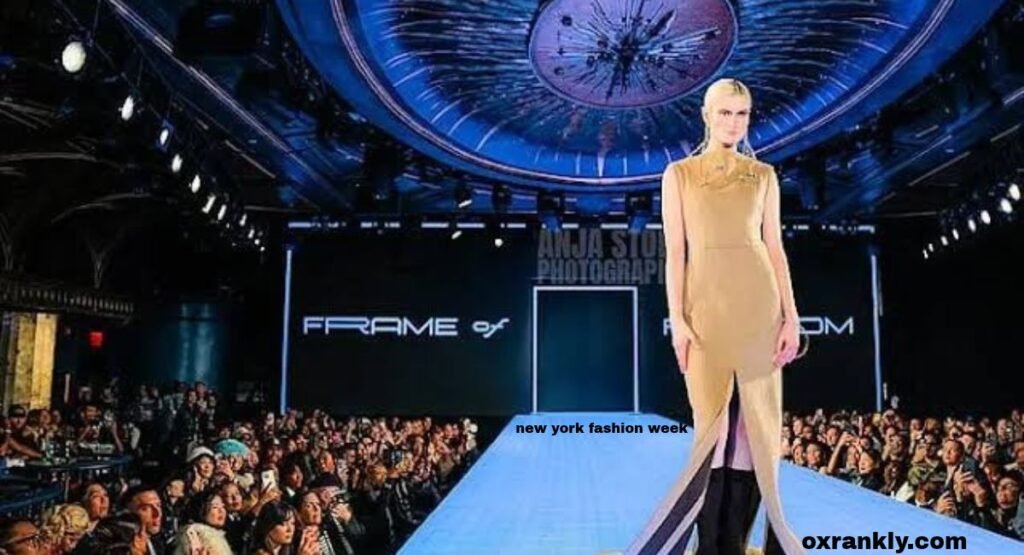

Introduction to New York Fashion Week
New York Fashion Week is one of the most influential events in the international fashion industry. It brings together established designers, emerging creative talents, fashion editors, models, celebrities, buyers, photographers, and style enthusiasts to celebrate clothing, creativity, and innovation. Every season, the event transforms New York City into a major destination for fashion, presenting collections that help shape the way people dress and express themselves around the world.
From elegant evening gowns and beautifully tailored suits to experimental streetwear and everyday essentials, new york fashion week showcases a wide range of styles. Designers use their collections to communicate ideas, explore cultural influences, and introduce fresh interpretations of modern clothing. The event is not limited to glamorous runway presentations because it also includes presentations, fashion-related gatherings, industry meetings, and street-style moments that attract attention from audiences worldwide.
For fashion lovers, the event offers an opportunity to discover upcoming trends before they become widely available in stores. For designers, it provides a platform to introduce their work to influential industry professionals and potential customers. For New York City, it highlights the city’s creative energy, diversity, and long-standing connection with fashion.
Whether someone follows luxury labels, affordable clothing, contemporary design, or everyday styling, the event offers something worth exploring. Understanding its history, purpose, designers, and influence helps explain why it remains an important part of the global fashion calendar.
What Is New York Fashion Week
New York Fashion Week is a major fashion-industry event during which designers present their upcoming collections to buyers, journalists, stylists, celebrities, and other invited guests. It generally takes place twice a year, with major seasonal presentations traditionally associated with autumn and winter collections and spring and summer collections.
The event is part of the international fashion calendar, alongside major fashion weeks in cities such as Paris, Milan, and London. Each destination has its own creative identity, and New York is particularly recognized for combining practical American fashion, contemporary design, business-minded creativity, and diverse cultural influences.
Unlike an ordinary fashion exhibition, new york fashion week often features carefully organized runway shows in which models walk through specially designed spaces wearing a designer’s latest creations. Music, lighting, staging, casting, and styling work together to communicate the collection’s overall message.
Some designers choose traditional runway formats, while others prefer intimate presentations or unconventional venues. A presentation might focus on the construction of garments, the movement of fabric, or the relationship between clothing and architecture. These different approaches allow designers to express their identities while reaching an audience interested in new ideas.
The event also has an important commercial purpose. Buyers evaluate collections to decide which pieces may be suitable for their stores, while fashion journalists report on notable designs and emerging trends. As a result, the event connects artistic expression with the practical business of producing, marketing, and selling clothing.
The History of New York Fashion Week

The history of New York Fashion Week reflects the growth of American fashion from a developing industry into a powerful international influence. Its roots date back to 1943, when fashion publicist Eleanor Lambert organized an event known as Press Week. At that time, the Second World War made it difficult for American fashion journalists to travel to Paris, which had traditionally been a major center of fashion inspiration.
Press Week created an opportunity for American designers to present their work to journalists at home. Rather than depending entirely on European fashion houses for inspiration and media attention, the event helped American designers establish their own identities. Editors could discover local collections, photograph new designs, and introduce American fashion to a wider audience.
Over the following decades, the event developed alongside changes in clothing, culture, and the fashion business. American designers became increasingly influential through their approaches to sportswear, practical separates, tailored clothing, and relaxed everyday dressing. These styles reflected the needs of people who wanted clothing that looked fashionable while remaining comfortable and functional.
A major organizational change took place in 1993, when the Council of Fashion Designers of America helped consolidate shows at Bryant Park. The centralized format made it easier for industry professionals to attend multiple presentations during a busy schedule. Fashion Week later moved to other locations, including Lincoln Center and venues across Manhattan.
Today, the Council of Fashion Designers of America manages the official schedule. The event has also expanded through livestreaming, digital presentations, and social media, allowing people who cannot attend in person to follow collections and discover new designers. Its history demonstrates how an event originally created for fashion journalists became an international celebration of American creativity.
Why New York Fashion Week Is Important
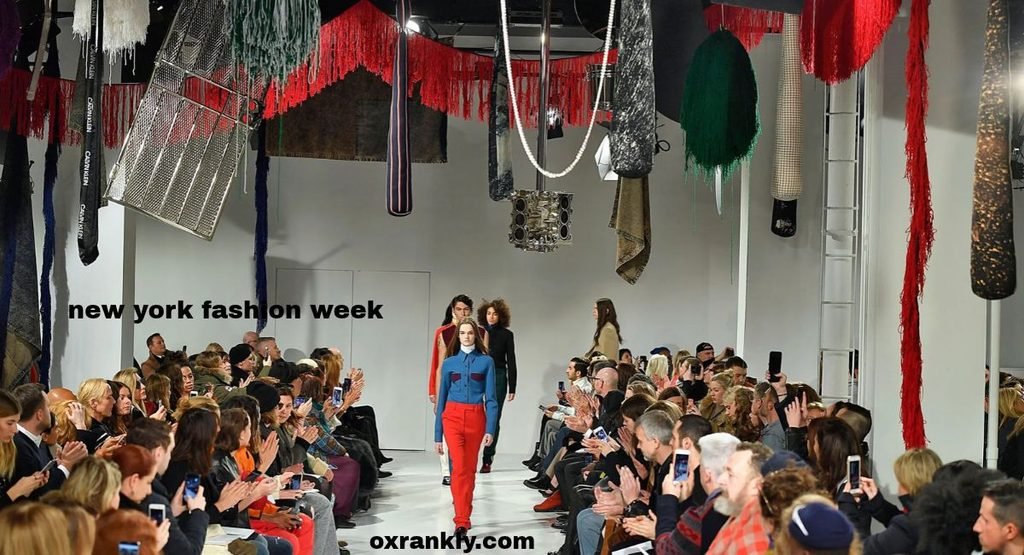
New York Fashion Week plays a significant role in connecting designers with the people and organizations that help their businesses grow. A successful collection can attract media coverage, retailer interest, new customers, and opportunities for collaboration. For established labels, the event helps maintain visibility and communicate a brand’s changing creative direction.
For emerging designers, the opportunity can be particularly valuable. Presenting a collection allows a new label to demonstrate its craftsmanship, establish its visual identity, and introduce its ideas to influential people within the industry. Even a relatively small presentation can create meaningful attention when the designs offer something distinctive.
The event also influences the wider fashion market. Buyers observe colors, silhouettes, fabrics, and styling choices that may become commercially important in the following seasons. Editors identify notable collections, while stylists consider garments for photo shoots, public appearances, and editorial projects.
Another important aspect is cultural representation. New York is home to people from many backgrounds, and its fashion scene reflects that diversity. Designers frequently draw inspiration from different communities, artistic movements, personal experiences, and historical references. This variety gives the event a character that continues to evolve.
Fashion Week also contributes to the city’s creative economy through production work, photography, styling, hospitality, transportation, and other services. Its influence therefore extends beyond the runway, connecting fashion with business, culture, media, and urban life.
Famous Designers and Fashion Brands


One of the most exciting aspects of new york fashion week is the opportunity to see collections from designers with different creative philosophies. Some are known for timeless elegance, while others experiment with bold shapes, unexpected materials, or youthful street-inspired clothing.
Carolina Herrera is widely associated with polished silhouettes, elegant eveningwear, and refined tailoring. Collections from the label often appeal to people who appreciate classic glamour and sophisticated dressing.
Michael Kors is recognized for American luxury with a practical approach. His collections frequently explore wearable separates, coordinated outfits, outerwear, and accessories designed for modern lifestyles.
Tory Burch combines contemporary style with references to travel, art, and traditional craftsmanship. Her designs often balance expressive details with clothing that can work in everyday wardrobes.
Christian Siriano is known for dramatic shapes, imaginative eveningwear, and a broad approach to glamour. His work demonstrates how designers can use volume, color, and construction to create memorable runway moments.
Other notable names associated with the New York fashion scene include Anna Sui, Ulla Johnson, Prabal Gurung, Khaite, Coach, and Proenza Schouler. Each label contributes a different perspective, from romantic patterns and textured fabrics to modern tailoring and accessories.
The lineup changes from season to season, and not every designer appears at every edition. This variation is part of the appeal because each season introduces fresh collections, creative partnerships, and designers who may become more influential in the future.
The Latest Trends at New York Fashion Week

Fashion trends are among the most discussed elements of the event. Designers use collections to explore new ways of wearing familiar garments, introduce unusual combinations, and reinterpret established styles. Individual collections vary, but several recurring themes help explain the direction of modern fashion.
Statement Tailoring
Tailoring remains an important part of contemporary fashion. Structured blazers, wide-leg trousers, coordinated suits, and sharply defined shoulders can create outfits that look confident and polished. Designers may soften these traditional shapes through lightweight fabrics, relaxed fits, or unusual color combinations.
For everyday styling, a tailored blazer can be paired with jeans, a simple T-shirt, or a flowing skirt. This approach makes runway-inspired fashion easier to wear without requiring an entirely new wardrobe.
Bold Colors and Color Blocking
Color is an effective way to create visual impact. Bright red, cobalt blue, emerald green, soft pastels, and earthy neutrals can all appear in modern collections. Some designers use one dominant shade, while others combine contrasting colors to produce a more expressive appearance.
Color blocking is particularly useful for people who enjoy experimenting with outfits. A bright jacket over neutral trousers can create a balanced look, while coordinated accessories can make a simple outfit feel more intentional.
Modern Minimalism
Minimalist fashion focuses on clean lines, thoughtful proportions, and garments that can be styled in different ways. Rather than relying on excessive decoration, this approach emphasizes fabric quality, fit, and construction.
A carefully cut coat, a crisp white shirt, a simple knit dress, or well-fitted trousers can become the foundation of a versatile wardrobe. Minimalist clothing is also practical because individual pieces can be combined to create numerous outfits.
Statement Outerwear
Coats, jackets, and other outerwear often become major highlights of autumn and winter collections. Oversized coats, leather jackets, textured fabrics, and sculptural collars can change the character of an entire outfit.
Statement outerwear is useful because it remains visible even when the rest of an outfit is relatively simple. A distinctive coat can make basic jeans and a sweater appear more polished without adding complicated accessories.
Textures and Layering
Layering allows designers to create depth by combining different materials, lengths, and proportions. Sheer fabrics, soft knits, denim, leather, satin, and structured cotton can produce interesting contrasts.
For everyday wear, lightweight layers are especially practical. A shirt beneath a sweater, a jacket over a dress, or a cardigan paired with tailored trousers can create an adaptable outfit suitable for changing temperatures.
Individuality Over Strict Rules
Modern fashion increasingly allows people to combine different influences instead of following one rigid aesthetic. Vintage garments may be paired with contemporary accessories, formal pieces may be worn with sneakers, and classic silhouettes may feature unexpected details.
This freedom is one reason fashion shows remain interesting to a broad audience. They encourage people to consider personal style as a form of self-expression rather than a checklist of rules.
Street Style at New York Fashion Week

Street style has become one of the most recognizable parts of the fashion-week experience. While runway shows present carefully designed collections, the streets surrounding venues provide a different view of how people interpret fashion for themselves.
Editors, stylists, models, influencers, designers, and visitors often arrive wearing distinctive outfits. Some choose elegant coats and polished footwear, while others experiment with oversized denim, statement bags, unusual eyewear, and colorful accessories.
Street-style photography helps demonstrate how fashion ideas can move from professional presentations into everyday wardrobes. A silhouette seen on a runway may inspire a more affordable outfit, while an unexpected combination worn by a visitor can attract attention from designers and stylists.
One reason street style remains popular is its variety. People do not need to wear expensive designer clothing to create an interesting look. Good fit, thoughtful color combinations, confidence, and creative styling can make an outfit memorable at almost any price point.
For readers interested in recreating these looks, the best approach is to identify one element they enjoy rather than copying an entire outfit. A structured jacket, a statement belt, a pair of distinctive boots, or an interesting color combination can provide inspiration without making personal style feel forced.
The Role of Models and Runway Presentations
Models are central to the way collections are presented. Their movement helps audiences understand how garments fit, how fabrics respond to motion, and how different pieces work together as complete looks.
A runway show involves much more than walking in clothing. Casting, choreography, makeup, hairstyling, music, lighting, and timing contribute to the final presentation. Designers and production teams coordinate these elements to establish an atmosphere that supports the collection’s concept.
Model selection can also influence how audiences understand a brand. Different heights, body types, ages, and backgrounds may be represented depending on the designer’s casting choices. Greater representation can help communicate that fashion has relevance for people with varied experiences and appearances.
Backstage preparation is another important part of the process. Models may need quick changes between outfits, while stylists check accessories and garment details. Makeup artists and hairstylists work to ensure that each look remains consistent with the creative direction.
The result is a carefully coordinated production that combines clothing with performance and visual storytelling. Even when a collection appears effortless, considerable planning and teamwork usually take place behind the scenes.
Emerging Designers and New Fashion Talent
One of the most valuable features of new york fashion week is its ability to introduce emerging designers to a wider audience. Established fashion houses may attract substantial media attention, but new designers often bring fresh perspectives that challenge familiar ideas about clothing and presentation.
Emerging talent may experiment with unconventional materials, innovative construction techniques, cultural storytelling, or unexpected combinations of casual and formal wear. These approaches can introduce new ideas into the fashion industry and encourage established brands to reconsider their own creative direction.
For a young designer, preparing a runway collection requires careful planning. The process involves developing a concept, sourcing fabrics, creating samples, refining garment construction, arranging models, and coordinating presentation details. Designers must also consider production costs, marketing, and how their work can translate into a sustainable business.
Fashion schools, mentorship programs, industry partnerships, and designer-development initiatives can help new talent navigate these challenges. Exposure to buyers and editors can be especially useful when a collection demonstrates a clear identity and commercial potential.
The presence of emerging designers ensures that the fashion industry continues to evolve. New talent introduces different viewpoints, challenges established conventions, and creates opportunities for fresh ideas to reach international audiences.
How Social Media Influences New York Fashion Week
Social media has transformed the way people experience fashion events. In earlier decades, runway collections reached most audiences through fashion magazines, newspapers, and television coverage. Today, photographs, short videos, livestreams, and online commentary can distribute fashion moments almost immediately.
Platforms such as Instagram, TikTok, and Pinterest allow viewers to discover runway looks, styling inspiration, backstage preparations, and street-style photographs. A distinctive outfit can attract attention online even from people who have never attended a fashion show.
For designers, social media provides an opportunity to communicate directly with audiences. They can share the inspiration behind a collection, introduce individual garments, and show the creative work that happens before a runway presentation.
Influencers and fashion creators also contribute by interpreting designer collections for different audiences. Some focus on luxury fashion, while others demonstrate how to recreate similar styles using affordable clothing. This makes fashion inspiration more accessible to people with different budgets and personal preferences.
However, online popularity does not necessarily guarantee long-term commercial success. Designers still need quality products, recognizable branding, responsible production, and strong relationships with customers. Social media works best when it supports a broader creative and business strategy.
How to Attend New York Fashion Week
Attending a major fashion event can be exciting, but access to runway shows is not always open to the general public. Many presentations are organized primarily for industry guests, including buyers, journalists, stylists, and invited clients.
People interested in attending should begin by identifying the season and the events they want to experience. The official schedule can help distinguish scheduled runway shows from presentations, public activities, and related fashion events.
Invitations may depend on the designer, venue, and purpose of the presentation. Fashion professionals can explore industry contacts, while students and aspiring designers may look for educational opportunities, networking events, or fashion-related activities available to them.
Planning transportation and accommodation is also important because shows can take place at different venues throughout New York City. Comfortable footwear, appropriate clothing, and enough time between appointments can make the experience more enjoyable.
For people who cannot attend in person, digital coverage provides another way to follow the collections. Photographs, interviews, video presentations, and fashion reporting can help viewers understand the major ideas of a season without traveling to New York.
The Business Behind New York Fashion Week
Although runway shows are often associated with glamour, the event also involves extensive business planning. Designers must balance creative ambitions with budgets, manufacturing capabilities, delivery schedules, marketing, and customer demand.
A runway collection may contain experimental pieces designed to communicate a creative vision alongside garments intended for retail production. Buyers evaluate which items are likely to appeal to their customers, while designers consider pricing, fabric availability, and the practical requirements of manufacturing.
Fashion presentations also generate work for photographers, models, stylists, makeup artists, production crews, public relations teams, and venue operators. Restaurants, hotels, transportation providers, and other local businesses may benefit from the increased activity surrounding major events.
For smaller labels, expenses can be a considerable challenge. Producing samples, renting venues, arranging lighting, and coordinating a presentation can require significant resources. Some designers therefore choose smaller shows, showroom appointments, or digital presentations that better suit their budgets.
The strongest fashion businesses understand that visibility is only one part of success. A memorable collection must ultimately connect with customers, support reliable production, and establish a clear reason for people to choose the brand.
Sustainability and the Future of Fashion
Sustainability has become an increasingly important subject in fashion. Designers, manufacturers, retailers, and consumers are examining how clothing is produced, how long garments last, and what happens when items are no longer wanted.
New York Fashion Week provides a setting where designers can explore these questions through material choices, construction methods, and collection concepts. Some labels emphasize durable garments, responsible sourcing, recycled materials, or designs intended to remain relevant beyond a single season.
The wider industry still faces difficult challenges, including textile waste, resource consumption, supply-chain transparency, and the environmental effects of overproduction. Individual runway presentations cannot solve these issues alone, but they can introduce ideas and encourage discussion.
Consumers can also make more thoughtful choices by buying clothing they genuinely enjoy, caring for garments properly, repairing damaged items, and exploring secondhand shopping. Building a versatile wardrobe can reduce the pressure to purchase every new trend.
The future of fashion will likely continue to involve a balance between creativity, commercial realities, technological innovation, and environmental responsibility. Designers who can combine compelling ideas with practical solutions may help shape the next generation of fashion.
How to Bring Runway Fashion Into Everyday Life
You do not need an expensive designer wardrobe to benefit from new york fashion week. The event can serve as a source of inspiration for creating outfits that reflect your personality and lifestyle.
Start by identifying the trends that suit your existing wardrobe. If you enjoy classic clothing, focus on tailoring, neutral colors, and quality basics. If you prefer expressive fashion, experiment with statement accessories, contrasting textures, or stronger color combinations.
Fit is often more important than the price of a garment. Clothing that fits comfortably and complements your proportions can create a polished appearance, even when the pieces are inexpensive.
Accessories offer another affordable way to experiment. A distinctive handbag, a belt, a scarf, or carefully selected jewelry can change the character of an outfit without requiring a complete wardrobe replacement.
It is also helpful to consider practicality. An outfit that looks impressive in a runway photograph may need adjustments for daily activities, local weather, or personal comfort. Adapt the idea rather than copying every detail.
Ultimately, personal style develops through experimentation. Fashion shows offer possibilities, but the most successful outfits are those that make you feel comfortable, confident, and authentic.
Conclusion Why New York Fashion Week Continues to Matter
New York Fashion Week remains an important celebration of fashion, creativity, business, and cultural expression. From its beginnings as Press Week in 1943 to its modern international profile, the event has helped American designers reach audiences and develop distinctive approaches to clothing.
Its influence extends across runway collections, street style, emerging talent, social media, retail businesses, and everyday wardrobes. Established designers introduce new interpretations of familiar styles, while emerging creators bring different perspectives and challenge traditional expectations.
The event also demonstrates that fashion is more than the clothing people wear. It involves craftsmanship, storytelling, personal identity, cultural influences, and the commercial systems that bring designs to consumers.
For fashion enthusiasts, new york fashion week offers an opportunity to discover trends and explore fresh styling ideas. For designers, it provides a platform to share their creative vision and build relationships with the industry. For everyday readers, it offers inspiration that can be adapted to different budgets and lifestyles.
As fashion continues to change, the event will remain a valuable place to observe new ideas, celebrate individual expression, and understand the relationship between creativity and modern life. Its lasting appeal comes from its ability to connect imaginative design with the way people dress, communicate, and express themselves around the world.




Pingback: Basic Painting Real vs Fake How to Identify Authentic Paintings and Spot Forgeries - oxrankly.com