
Introduction to Hogan Technology
Technology has become an essential part of modern life, influencing how people communicate, work, learn, shop, and manage businesses. From cloud computing and artificial intelligence to cybersecurity and digital communication, technological developments continue to change the way organizations operate. In this evolving environment, the term hogan technology can be explored in relation to digital innovation, technology services, business transformation, and the growing importance of reliable information systems.
Understanding hogan technology begins with recognizing the role technology plays in solving everyday problems. Businesses increasingly depend on digital tools to organize information, improve customer experiences, manage operations, and make informed decisions. Individuals also rely on technology for communication, education, entertainment, and personal productivity. These developments have made technology an important part of nearly every industry.
However, technology is not simply about purchasing computers, installing software, or adopting the newest digital tools. Successful technology adoption requires planning, security, ongoing maintenance, employee training, and a clear understanding of organizational needs. The most useful solutions are those that solve real problems and provide lasting value.
This article explores hogan technology as a topic connected to modern IT practices, digital transformation, cybersecurity, automation, cloud infrastructure, and future technological opportunities. Because the phrase alone does not identify a specific verified organization or product, the discussion focuses on these broader technology themes rather than presenting unconfirmed company details as facts.
What Is Hogan Technology
Hogan technology can be discussed as a search topic associated with technology services, digital systems, innovation, and the use of modern tools to improve business performance. The exact meaning depends on the organization, product, or service a person intends to find when using this phrase.
For businesses, technology generally includes the hardware, software, networks, applications, and digital processes used to complete daily activities. These systems may support accounting, communication, customer service, inventory management, data analysis, online sales, and internal collaboration.
For example, a small company might use cloud-based accounting software to monitor expenses, a customer relationship management platform to organize customer information, and cybersecurity tools to protect confidential records. When these systems work together effectively, the company can reduce repetitive tasks and improve its ability to respond to changing customer needs.
Technology also supports innovation by helping organizations experiment with new products, services, and business models. A retailer may introduce an online store, a manufacturer may automate part of its production process, and a service provider may offer remote consultations through secure digital platforms.
The important point is that technology should serve a clear purpose. Organizations exploring hogan technology or similar technology-related services should identify their requirements, assess available solutions, and determine how a particular system could improve their operations before making an investment.
The History and Background of Hogan Technology

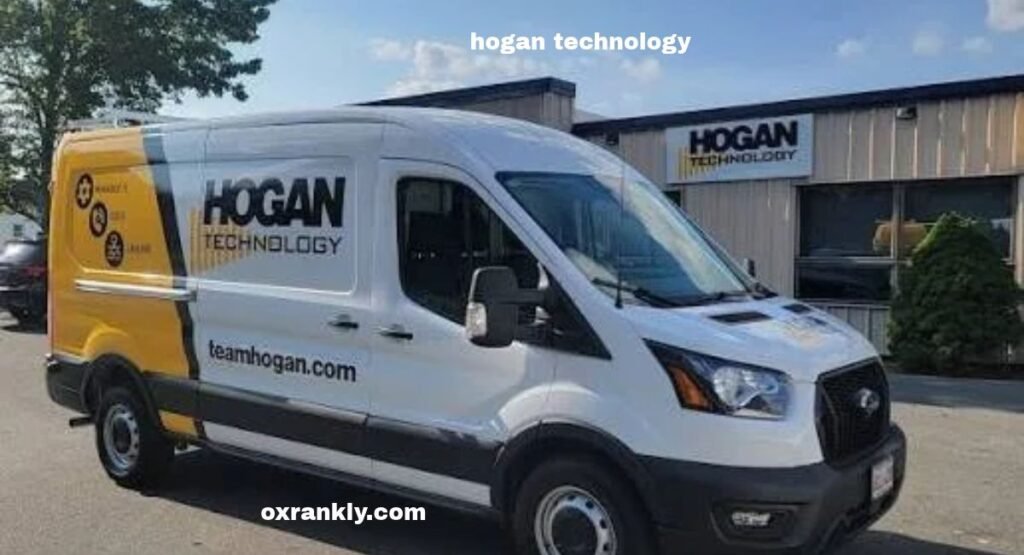
Hogan Technology is an established business technology services provider based in Easthampton, Massachusetts, in the United States. The company traces its origins to 1986, when John Hogan and his sons Sean and Andrew started a business initially known as Hogan Associates. Over time, the organization evolved through different names and expanded its work in business communications and IT support.
This background is important because it illustrates how technology service companies can develop alongside changes in business communication. Early business systems relied heavily on traditional telephone networks, physical cabling, and on-site technical assistance. As computers, internet connectivity, digital communication, and cloud platforms became increasingly important, businesses needed broader technical support.
The evolution of Hogan Technology reflects this wider shift from traditional communications installation toward more comprehensive technology management. Businesses today need dependable computer systems, secure networks, reliable phone services, data protection, and assistance when technical problems arise.
A technology provider must also understand that different organizations have different requirements. A small office may need dependable internet access, email, and basic technical support, while a larger organization might require advanced cybersecurity, multiple communication systems, cloud infrastructure, and coordinated IT planning.
The company’s history provides context for understanding its business focus. However, its exact services, current availability, and suitability for an individual organization should always be assessed according to that organization’s needs rather than assumed from the company’s name alone.
Major Services Associated With Hogan Technology

Modern managed technology providers often combine several services to help businesses operate efficiently. Hogan Technology identifies managed IT services, cybersecurity, business voice systems, and related infrastructure support among its service areas.
Managed IT Services
Managed IT services involve the ongoing monitoring, maintenance, and support of an organization’s technology environment. Instead of waiting for a computer, server, or network to fail, a managed service provider can help identify problems early and maintain systems proactively.
These services may include software updates, device monitoring, troubleshooting, network maintenance, technical assistance, and planning for future upgrades. The exact package depends on the provider and the customer’s agreement.
For a small business, managed IT services can reduce the burden on employees who would otherwise spend valuable time solving technical problems. Staff members can concentrate on their responsibilities while qualified technicians help maintain the systems they use.
A managed approach can also make technology expenses more predictable. Depending on the agreement, a company may pay a recurring fee for defined support instead of handling every technical issue as a separate emergency expense.
Cybersecurity and Data Protection
Cybersecurity is one of the most important parts of business technology management. Organizations store customer information, financial documents, employee records, contracts, and other confidential material in digital systems. Without suitable protection, this information may be exposed to unauthorized access, malware, phishing attacks, or other threats.
Hogan Technology has identified cybersecurity as a central service area and announced its participation in an ISO 27001 compliance program in April 2025. ISO 27001 concerns information security management systems and the processes used to manage information security risks.
Businesses evaluating a cybersecurity provider should ask how it monitors threats, manages access permissions, protects endpoints, handles security incidents, and supports recovery after an attack.
Useful security measures include multifactor authentication, regular software updates, reliable backups, employee awareness training, and strong password policies. No single tool can eliminate every threat, so effective cybersecurity requires multiple layers of protection.
Companies should also clarify the scope of any provider’s security commitments. A service agreement should explain what is monitored, which incidents are covered, how quickly support is available, and what responsibilities remain with the customer.
Business Communication Systems
Communication systems help employees, customers, suppliers, and business partners stay connected. Modern workplaces may use desk phones, mobile devices, video meetings, messaging platforms, and integrated communication applications.
Hogan Technology’s service offerings include voice systems and unified communications. These technologies can help businesses coordinate calls, support remote work, and make communication more convenient across different locations.
Voice over Internet Protocol, commonly known as VoIP, allows voice calls to travel over internet connections rather than relying exclusively on traditional telephone infrastructure. Depending on the selected system, businesses may gain features such as call routing, voicemail, conference calling, and centralized administration.
Choosing a business phone system requires considering call quality, internet reliability, emergency calling arrangements, security, and the ability to support future growth.
A company with a small team may need only a straightforward phone system, while a customer service operation may require advanced call routing and reporting. The best solution depends on how employees communicate and how customers expect to reach the business.
Network Infrastructure and Cabling
A dependable technology environment begins with physical and digital infrastructure. Computers, wireless access points, servers, printers, security cameras, and communication devices all depend on suitable connectivity.
Structured cabling provides an organized way to connect equipment throughout an office or commercial building. Proper installation can make networks easier to maintain, troubleshoot, and expand when business requirements change.
Hogan Technology’s published service information includes infrastructure and cabling alongside its IT and communications offerings.
Network planning should consider the size of the building, the number of connected devices, internet requirements, wireless coverage, and future expansion. Poorly planned infrastructure can result in slow connections, unreliable communication, and expensive repairs.
Businesses should also ensure that network equipment is maintained and appropriately configured. Physical installation is only one part of a reliable system; monitoring, documentation, security, and regular assessment are also important.
Cloud Services and Remote Support
Cloud computing enables organizations to use computing resources and software delivered over a network. Rather than depending entirely on equipment located inside an office, businesses can use hosted applications, online storage, cloud-based communication platforms, and remote collaboration tools.
Cloud services can help employees access approved resources from different locations, simplify collaboration, and reduce the need to manage some forms of local infrastructure. They can also support business continuity when office equipment becomes unavailable.
However, cloud adoption requires careful planning. Companies must understand subscription costs, data storage locations, access permissions, backup arrangements, and the responsibilities of their cloud provider.
Remote technical support is another important capability. With suitable authorization and security controls, technicians can diagnose many software and configuration problems without visiting the customer’s premises.
A well-managed cloud environment should include appropriate authentication, data protection, user access controls, and a recovery plan. Businesses should also identify which applications and information must remain available during outages.
How Hogan Technology Can Help Businesses Improve Efficiency
Technology is most valuable when it helps an organization achieve measurable goals. Installing new equipment is not automatically an improvement; the investment must solve a problem, reduce risk, increase productivity, or enable a useful capability.
One of the challenges facing small and medium-sized businesses is managing technology without allowing it to consume too much time or money. Employees may encounter recurring software issues, slow networks, outdated devices, and disconnected applications. These problems can gradually reduce productivity.
A structured IT management approach helps organizations identify recurring issues and prioritize improvements. For example, replacing unreliable network equipment may reduce interruptions, while standardizing software can simplify updates and technical support.
Hogan Technology has also described a strategic technology budget and roadmap process intended to help small and medium-sized businesses review their IT costs, assess risks, and plan future investments.
This type of planning can help a business understand whether it is paying for redundant applications, maintaining outdated equipment, or postponing upgrades that could become more expensive later.
The benefits are not limited to cost reduction. A clear technology roadmap can help managers prepare for hiring, opening new locations, changing communication systems, or adopting new business applications.
Organizations should measure results using practical indicators such as system downtime, support response times, recurring IT expenses, employee productivity, and the frequency of security incidents. These measurements make it easier to determine whether technology investments are delivering value.
Hogan Technology and Cybersecurity Planning
Cybersecurity should be treated as an ongoing business responsibility rather than a one-time technical installation. Threats change, employees join and leave organizations, applications receive updates, and new devices connect to company networks.
A responsible security strategy begins with understanding what needs protection. Businesses should identify important information, review who can access it, and determine which systems would cause the greatest disruption if they became unavailable.
The next step is to implement suitable safeguards. These may include endpoint protection, email filtering, secure network configurations, multifactor authentication, backup systems, and procedures for reporting suspicious activity.
Employee training is equally important. A technically sophisticated security system can still be undermined when someone shares credentials, opens a malicious attachment, or approves an unexpected login request.
Organizations should also test their recovery arrangements. Backups are useful only when the organization can restore its information within an acceptable period. Periodic recovery tests help reveal problems before a real incident occurs.
Hogan Technology’s published material discusses cybersecurity risk management and the importance of understanding where sensitive business data is exposed.
When evaluating a provider, businesses should ask for clear information about incident response, backup retention, monitoring coverage, security reporting, and escalation procedures. They should also verify relevant certifications and compliance claims directly, especially when working with sensitive or regulated information.
The Role of Artificial Intelligence in Hogan Technology
Artificial intelligence is changing how businesses manage information, communicate with customers, and complete repetitive tasks. AI-powered tools can assist with document preparation, meeting summaries, customer service, data analysis, workflow automation, and technical support.
Hogan Technology has introduced AI-related services focused on helping organizations identify practical uses for AI, integrate appropriate tools, train employees, and establish safeguards. Its published service information also discusses AI-assisted security monitoring and workflow automation.
For example, a company might use an AI assistant to organize internal documents or help employees find answers to routine questions. Another organization could automate parts of its customer service process, allowing staff to spend more time handling complicated requests.
However, AI adoption should begin with a clear business objective. Purchasing an AI subscription without understanding the problem it needs to solve may create additional expenses without meaningful improvements.
Data privacy is another important consideration. Employees should understand which information can be entered into approved AI tools and which information must remain confidential. Organizations should also review the accuracy of AI-generated content before relying on it for important decisions.
A sensible implementation process begins with a small pilot project, followed by testing, employee feedback, and an evaluation of results. If the project proves useful and meets security requirements, the organization can consider expanding its use.
For businesses exploring hogan technology, AI represents an example of how established IT support can evolve beyond troubleshooting and maintenance toward more strategic digital improvements.
Benefits of Choosing a Managed Technology Partner
Working with a technology partner can provide several advantages, particularly for businesses that lack a large internal IT department.
Improved technical support: Employees can receive assistance when they experience hardware, software, network, or communication problems. The effectiveness of this benefit depends on the provider’s support hours, response commitments, and service agreement.
More consistent maintenance: Routine monitoring and maintenance can help identify problems before they cause significant interruptions. Keeping systems updated also helps organizations manage technical and security risks.
Better cost planning: A defined service arrangement may make technology expenses easier to forecast. Regular reviews can identify unnecessary subscriptions, outdated systems, and opportunities to allocate resources more efficiently.
Access to specialized expertise: Small businesses may not need to employ specialists in every technical field. A managed provider can potentially offer access to a broader team of professionals, depending on the services included in the contract.
Support for business growth: As an organization expands, it may need additional devices, new employee accounts, improved connectivity, stronger security, and more advanced communication systems. A technology partner can help plan these changes.
More time for core activities: Reliable technology can reduce the time employees spend resolving technical problems. This allows teams to concentrate on serving customers, developing products, and managing daily operations.
These benefits are not guaranteed simply by hiring a provider. Businesses should compare service agreements, evaluate technical capabilities, and establish measurable expectations before making a decision.
How to Evaluate Hogan Technology Services
Before selecting any technology provider, a business should determine whether the available services match its actual requirements.
Start by identifying the biggest operational challenges. These might include frequent computer problems, unreliable Wi-Fi, inadequate data backups, cybersecurity concerns, or outdated telephone systems. A clearly defined problem makes it easier to evaluate proposed solutions.
Next, ask the provider to explain its service packages. Find out whether monitoring, help desk support, software updates, cybersecurity, backup management, and strategic planning are included or charged separately.
Response times also deserve attention. A provider should explain how it handles urgent incidents, what support is available outside normal business hours, and how customers can contact its technical team.
Pricing should be assessed alongside service coverage. A lower monthly fee may exclude important services, while a more expensive package may include capabilities that a small business does not need. The objective is to select a suitable service level rather than simply choosing the cheapest option.
Businesses should also ask about documentation, reporting, account access, and what happens if they decide to change providers. Maintaining control of administrative credentials and ensuring access to essential business data can make future transitions easier.
Finally, consider communication and accountability. Technical explanations should be understandable, recommendations should have clear business reasons, and proposed upgrades should be supported by evidence of need.
Who Can Benefit From Hogan Technology
Hogan Technology’s published service information describes its work with businesses in Western Massachusetts and Northern Connecticut. Its offerings are relevant to organizations seeking assistance with IT management, cybersecurity, business communication, and related infrastructure.
Small businesses may benefit from outsourced IT assistance when they lack dedicated technical staff. A managed service arrangement can provide access to support and maintenance without requiring the company to build a large internal department.
Professional offices may need secure networks, reliable communication, controlled access to confidential information, and dependable backup arrangements. The specific requirements will vary according to the nature of the work and any applicable regulations.
Organizations with multiple employees or locations may benefit from coordinated device management, standardized software, and consistent security policies. A centralized approach can make technology easier to maintain as the organization grows.
Nonprofit organizations may also need dependable IT systems while working within limited budgets. Careful technology planning can help them prioritize essential services and avoid spending money on unnecessary tools.
Nevertheless, geographic coverage matters. A company looking for support outside Hogan Technology’s stated service area should confirm whether the provider can meet its needs remotely or through an appropriate service arrangement.
The Future of Hogan Technology and Business IT
The technology industry continues to evolve as organizations adopt cloud platforms, AI-assisted tools, connected devices, and increasingly sophisticated cybersecurity measures.
One important trend is the move from reactive IT support toward proactive technology management. Rather than waiting for equipment to fail, businesses increasingly benefit from monitoring, planned maintenance, risk assessments, and regular reviews of their technology investments.
AI is another developing area. Automation may help support teams categorize requests, identify unusual activity, and complete routine administrative tasks. Human oversight will remain important for complicated problems, security decisions, and situations requiring judgment.
Communication systems are also becoming more integrated. Businesses increasingly expect their phone systems, messaging tools, meeting platforms, and customer management applications to work together.
Cybersecurity will remain a major concern as more business processes depend on digital infrastructure. Organizations will need to maintain strong access controls, protect sensitive data, train employees, and prepare for disruptions.
For technology providers such as Hogan Technology, these developments create opportunities to help customers modernize their systems while managing costs and risks. The challenge is to adopt useful innovations without adding unnecessary complexity.
Ultimately, successful technology management is not about following every new trend. It is about identifying which developments provide genuine benefits, implementing them responsibly, and maintaining systems that support the organization’s long-term goals.
Frequently Asked Questions About Hogan Technology
What is Hogan Technology
Hogan Technology is a business technology services provider based in Easthampton, Massachusetts. Its published offerings include managed IT services, cybersecurity, business voice systems, and infrastructure-related support.
What services does Hogan Technology provide
Its stated service areas include managed IT support, cybersecurity, business communication systems, networking, and cabling. It also publishes information about AI services and technology planning for businesses. Exact service availability should be confirmed directly with the company.
Where is Hogan Technology located
Hogan Technology lists its headquarters at 81 East Street, Easthampton, Massachusetts, United States. Its published company information identifies Western Massachusetts and Northern Connecticut as its regional service area.
Is Hogan Technology suitable for small businesses
It may be suitable for small and medium-sized businesses that need ongoing IT support, security assistance, communication systems, or technology planning. Suitability depends on the business’s location, requirements, budget, and the provider’s current service arrangements.
How can managed IT services help a company
Managed IT services can help a company maintain its systems, troubleshoot problems, monitor infrastructure, and plan upgrades. Depending on the contract, they may also provide security monitoring, backup management, and technical support.
Does Hogan Technology work with artificial intelligence
Hogan Technology publishes information about AI services for business, including workflow automation, integration guidance, employee training, and security considerations. Businesses should confirm the availability and scope of individual services before engaging the provider.
Secure AI Solutions – Hogan Technology
Why is cybersecurity important for businesses
Cybersecurity helps protect confidential information, business systems, customer records, and daily operations from digital threats. Effective protection combines technical safeguards, employee awareness, regular maintenance, and tested recovery procedures.
What should businesses consider before choosing an IT provider
Businesses should review service coverage, technical expertise, response commitments, cybersecurity practices, pricing, reporting, and contractual responsibilities. They should also confirm how data, accounts, and documentation will be handled if the service relationship ends.
Conclusion
Hogan Technology represents an established business technology provider whose published services cover managed IT, cybersecurity, business communications, and infrastructure support. Its development from a communications-focused business into a broader technology services organization reflects the changing needs of modern workplaces.
For businesses, effective technology management involves more than fixing computers when something goes wrong. It requires maintaining dependable systems, protecting information, planning investments, supporting employees, and identifying opportunities to improve efficiency.
Managed IT services can help organizations address these needs, while cybersecurity and responsible AI adoption can support more secure and productive operations. However, businesses should always evaluate specific services, costs, and contractual commitments before choosing a provider.
As digital technology continues to develop, companies that make informed decisions about their IT infrastructure will be better positioned to adapt to changing demands. Understanding hogan technology and its relationship to business technology services provides a useful starting point for readers researching IT support, cybersecurity, digital communication, and technology-driven business growth.




Pingback: StarWest Computers Products IT Services Computer Repair and Technology Solutions- oxrankly.com