


Introduction
Understanding what is adversarial system is important for anyone interested in law, legal procedures, courtroom practices, and the administration of justice. The adversarial system is one of the most widely recognised approaches to resolving legal disputes. It is a method in which two opposing parties present their arguments and evidence before an impartial judge or court. Each side has the opportunity to explain its position, challenge the other party’s claims, and provide information that supports its case.
The main purpose of this system is to ensure that legal disputes are resolved fairly through an organised process. Instead of allowing the judge to investigate every aspect of a dispute independently, the opposing parties take responsibility for presenting their cases. The judge or jury then evaluates the evidence and arguments before reaching a decision.
The adversarial system is commonly associated with countries that follow common law traditions, including England, the United States, Canada, and Australia. Although its procedures can differ between jurisdictions, the central idea remains similar: both sides should have a fair opportunity to present their arguments.
In this article, we will explore what is adversarial system, how it works, its essential principles, advantages, disadvantages, and its importance in modern legal systems.
What Is Adversarial System
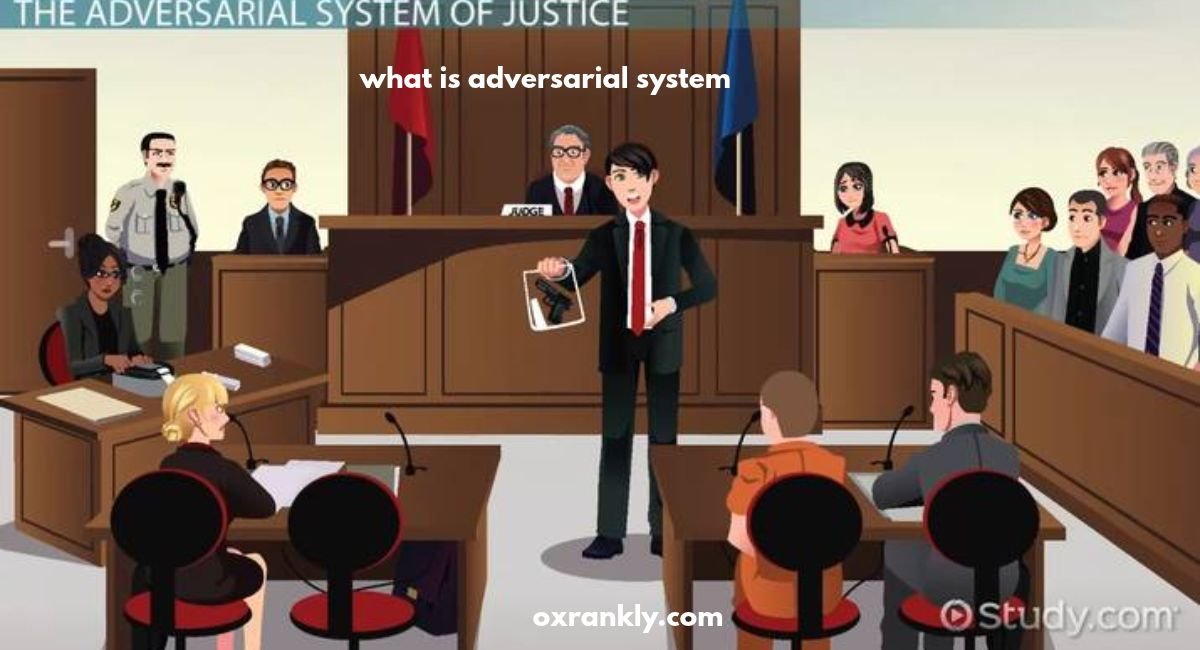
The adversarial system is a legal framework in which two opposing parties present their cases before an independent and neutral decision-maker. These parties usually represent different interests, with one side making a claim or accusation and the other side responding to it.
In criminal cases, the prosecution generally presents evidence against the accused person, while the defence challenges the allegations and presents arguments supporting the defendant. In civil cases, the claimant explains why they believe they have a legal claim, while the defendant responds and may challenge the evidence.
The judge acts as an impartial authority who ensures that the proceedings follow the law and that both parties receive a fair opportunity to present their cases. In some cases, a jury also participates in evaluating evidence and deciding particular questions of fact.
The adversarial system is based on the belief that allowing opposing parties to challenge each other’s arguments can help reveal weaknesses, inconsistencies, and important facts. Through this process, the court can make a more informed decision.
How Does the Adversarial System Work
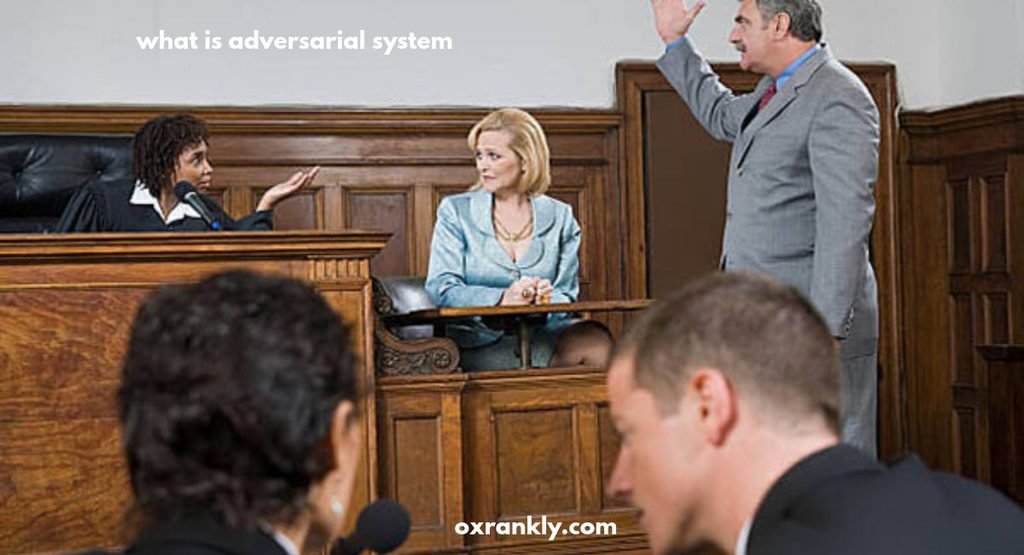
The adversarial system follows an organised legal procedure designed to give both sides an opportunity to present their positions. Although the exact process depends on the type of case and the jurisdiction, several important stages are generally involved.
Beginning of a Legal Case
A legal case usually begins when one party makes a formal claim or when authorities bring criminal charges against an individual. In civil proceedings, a claimant may file a lawsuit against another person, organisation, or business.
In criminal proceedings, the prosecution represents the state and presents allegations against the accused. The defendant is informed about the charges and receives an opportunity to respond.
This initial stage establishes the issues that the court needs to consider.
Preparation and Collection of Evidence
After a case begins, both parties prepare their arguments and collect relevant evidence. This may include documents, photographs, physical objects, witness statements, expert opinions, and other information.
Lawyers examine the available material to understand the strengths and weaknesses of their cases. They also prepare questions for witnesses and identify evidence that may challenge the opposing party’s position.
Proper preparation is essential because the parties are generally responsible for presenting the evidence needed to support their arguments.
Presentation of Arguments
During the hearing or trial, both sides present their arguments before the judge or jury. The claimant or prosecution usually presents its case first, depending on the applicable procedure.
The opposing party then receives an opportunity to respond, challenge the evidence, and explain why the other side’s arguments should not be accepted.
This exchange allows the court to examine different perspectives before reaching a conclusion.
Examination and Cross-Examination of Witnesses
Witness testimony can play an important role in adversarial proceedings. Lawyers question witnesses to understand what they know about the case.
Direct examination allows the lawyer who called a witness to ask questions about relevant events or information. Cross-examination gives the opposing lawyer an opportunity to challenge the witness’s statements, test their reliability, and identify possible contradictions.
This process helps the court evaluate whether witness testimony is consistent and credible.
Final Arguments
After the evidence has been presented, both parties may deliver closing arguments. During this stage, lawyers explain how the evidence supports their positions.
They may highlight important testimony, discuss relevant legal principles, and identify weaknesses in the opposing party’s case.
The purpose is to help the judge or jury understand why the evidence and applicable law support a particular outcome.
Decision and Judgment
Once the proceedings are complete, the judge or jury considers the evidence and arguments according to the applicable legal standards.
In criminal cases, the prosecution generally has to establish guilt beyond a reasonable doubt in jurisdictions using that standard. In civil cases, the applicable standard may be the balance of probabilities or another legally recognised test.
The court then delivers its decision, which may include a conviction, acquittal, financial compensation, dismissal of a claim, or another appropriate legal remedy.
Main Principles of the Adversarial System
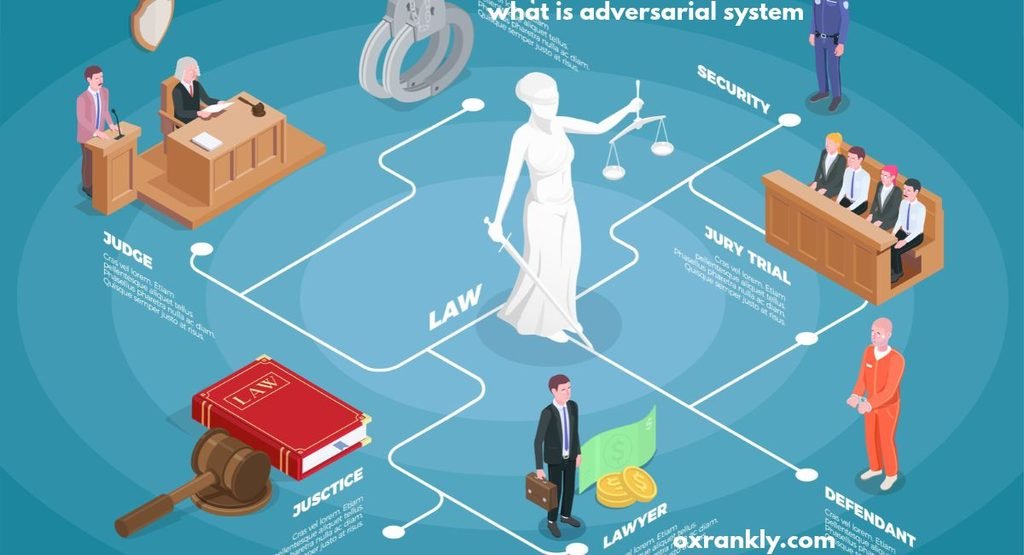
The adversarial system operates according to several fundamental principles. These principles help maintain fairness, protect legal rights, and ensure that courtroom proceedings follow established rules.
Equality of Arms
Equality of arms means that both parties should have a fair opportunity to present their cases and challenge the arguments of the opposing side.
Neither party should receive an unfair procedural advantage simply because of its position in the legal proceedings.
However, achieving genuine equality can be challenging when one party has significantly greater financial resources or access to legal assistance.
Neutrality of the Judge
An independent and impartial judge is essential to the adversarial system. The judge must avoid favouring either party and should make decisions based on the evidence, applicable law, and proper courtroom procedures.
The judge also manages the proceedings, rules on objections, and ensures that the trial is conducted fairly.
Judicial neutrality helps maintain public confidence in the legal system.
Right to Legal Representation
The right to legal representation is another important feature of adversarial proceedings.
Individuals involved in legal disputes may seek assistance from qualified lawyers who understand the law and courtroom procedures. Legal representation can help people prepare arguments, question witnesses, examine evidence, and protect their rights.
In criminal cases, eligible defendants may receive legal assistance through publicly funded legal aid, depending on the jurisdiction.
Burden of Proof
The burden of proof refers to the responsibility of establishing the facts necessary to support a legal claim or allegation.
In criminal proceedings, the prosecution generally carries the burden of proving the accused person’s guilt. The defendant does not ordinarily have to prove innocence.
In civil proceedings, the claimant generally needs to establish the elements of their claim according to the applicable standard of proof.
This principle helps prevent individuals from being held legally responsible without sufficient evidence.
Right to Challenge Evidence
Both parties generally have the opportunity to question evidence presented by the opposing side.
For example, a defence lawyer may challenge the reliability of a witness, question how evidence was collected, or identify inconsistencies in the prosecution’s arguments.
Similarly, lawyers representing claimants can challenge evidence presented by defendants.
The opportunity to challenge evidence is important because it allows the court to consider competing explanations before reaching a decision.
Open Justice
Open justice means that court proceedings are generally accessible to the public, subject to legal exceptions.
Public hearings allow people to observe how cases are handled and how legal decisions are made. This transparency can improve accountability and strengthen confidence in judicial institutions.
However, certain proceedings may be restricted to protect children, victims, witnesses, confidential information, or other important legal interests.
What Is the Role of a Judge in the Adversarial System
The judge plays a central role in maintaining fairness and ensuring that legal proceedings follow the law. Unlike systems in which judges actively investigate the facts of a case, the traditional adversarial approach places much of the responsibility for presenting evidence on the opposing parties.
The judge acts as an independent decision-maker who supervises the proceedings and resolves legal questions.
Maintaining Courtroom Order
One of the judge’s responsibilities is to maintain order during hearings and trials. Lawyers must follow courtroom rules, respect the court, and present their arguments appropriately.
The judge can intervene when proceedings become disorderly or when a party fails to follow established procedures.
Making Legal Decisions
Judges interpret and apply the relevant law. They may decide whether particular evidence is admissible, whether legal objections should be accepted, and whether the parties have followed the correct procedures.
These decisions help ensure that the trial remains consistent with legal requirements.
Protecting Fair Trial Rights
Judges must ensure that both sides receive a reasonable opportunity to present their arguments. They should also protect the rights of defendants, claimants, witnesses, and other participants.
A fair hearing requires the judge to remain impartial and avoid making decisions based on personal preferences or assumptions.
Delivering the Final Judgment
Depending on the type of case, the judge may decide the outcome independently or work alongside a jury.
In a jury trial, the jury generally determines questions of fact, while the judge provides legal directions and handles legal matters. The exact division of responsibilities varies between jurisdictions.
What Is the Difference Between Adversarial and Inquisitorial Systems
Understanding the difference between adversarial and inquisitorial systems makes it easier to understand how different countries approach legal disputes.
Both systems aim to establish facts, apply the law, and deliver justice. However, they differ in how responsibility for investigating and presenting evidence is distributed.
Adversarial System
In an adversarial system, the opposing parties generally take responsibility for presenting evidence and arguments. Each side challenges the other, while the judge acts as an impartial decision-maker.
The lawyers play a major role in examining witnesses, introducing evidence, and explaining their clients’ positions.
This approach is commonly associated with common law jurisdictions.
Inquisitorial System
In an inquisitorial system, the judge or investigating judicial authority generally takes a more active role in establishing the facts of a case.
The court may direct investigations, request additional information, and examine evidence as part of the proceedings.
Lawyers still represent the parties and protect their legal interests, but the judge has a more active investigative responsibility than in the traditional adversarial model.
Key Differences
| Feature | Adversarial System | Inquisitorial System |
|---|---|---|
| Main responsibility | Opposing parties | Court or investigating authority |
| Role of judge | Generally neutral and less investigative | More actively involved |
| Role of lawyers | Central to presenting the case | Represent parties and assist proceedings |
| Evidence | Mainly presented by the parties | May be actively investigated by the court |
| Witness examination | Strong emphasis on party questioning | Often more judge-directed |
| Legal tradition | Common law | Commonly associated with civil law traditions |
It is important to understand that modern legal systems often combine elements of both approaches. The distinction is useful for comparison, but actual courtroom practices are not always completely adversarial or inquisitorial.
Advantages of the Adversarial System
The adversarial system offers several benefits that have contributed to its continued use in many countries.
Protects Individual Rights
One of its most important advantages is the protection of individual legal rights.
Defendants have an opportunity to challenge accusations, question witnesses, and present their own evidence. This helps protect individuals against unfair treatment and unsupported allegations.
The prosecution must meet its legal burden of proof rather than simply relying on accusations.
Encourages a Fair Hearing
Both parties receive an opportunity to explain their positions. This helps prevent decisions from being made without considering the arguments of everyone involved.
A properly conducted adversarial trial gives each side a chance to respond to the other party’s evidence and legal submissions.
Allows Evidence to Be Tested
Cross-examination is one of the strongest features of this system.
Witnesses can be questioned about their statements, observations, and possible inconsistencies. This may help the court identify unreliable testimony or misunderstandings.
Testing evidence can improve the quality of information considered during a trial.
Maintains Judicial Independence
The judge’s independent role helps prevent the court from becoming directly aligned with either party.
By remaining impartial, judges can evaluate the arguments objectively and apply the relevant legal principles.
Promotes Transparency
Public courtroom proceedings can make the justice system more accountable.
Members of the public, journalists, and legal observers may be able to follow proceedings and understand how decisions are reached, subject to applicable restrictions.
Gives Parties Control Over Their Cases
The opposing parties generally have considerable control over which arguments to present, which witnesses to call, and how to organise their evidence.
This allows them to focus on the issues they consider most important to their legal position.
Disadvantages of the Adversarial System
Although the adversarial system offers important protections, it also faces criticism. Some of its weaknesses relate to cost, complexity, delays, and unequal resources.
Expensive Legal Proceedings
Legal representation, expert witnesses, evidence collection, and court preparation can be expensive.
People who cannot afford experienced lawyers may struggle to present their cases effectively. This can create an imbalance between individuals with different financial resources.
Legal aid and other support services can reduce this problem, but access to assistance varies.
Lengthy Court Cases
Adversarial proceedings can take considerable time, particularly when cases involve complicated evidence, multiple witnesses, or extensive legal arguments.
Delays may create emotional and financial difficulties for everyone involved.
A lengthy trial can also place pressure on courts and increase the overall cost of administering justice.
Focus on Winning Rather Than Truth
Critics argue that an adversarial system can sometimes encourage lawyers to focus heavily on winning their cases rather than discovering the complete truth.
Because each side represents a particular interest, important information may receive less attention if it does not support either party’s arguments.
Professional ethics and judicial supervision are intended to reduce this risk.
Unequal Resources
A wealthy individual or organisation may have access to experienced lawyers, specialist experts, and extensive investigative resources.
A person with limited financial resources may not be able to prepare an equally strong case.
This difference can affect the practical fairness of proceedings, even when the formal legal rules apply equally to everyone.
Emotional Pressure on Witnesses
Cross-examination can be stressful, particularly for vulnerable witnesses or individuals who have experienced traumatic events.
Aggressive questioning may create emotional pressure and make it difficult for some people to communicate clearly.
Courts may use special measures and procedural protections to support vulnerable participants.
Complex Legal Procedures
Court rules, evidentiary requirements, legal terminology, and procedural deadlines can be difficult for ordinary people to understand.
Without appropriate legal assistance, individuals may struggle to navigate the system.
This complexity can make access to justice more difficult.
Examples of the Adversarial System in Practice
The best way to understand what is adversarial system is to consider how it operates in real legal situations.
Example 1: A Criminal Theft Case
Imagine that a person is accused of stealing a valuable item from a shop.
The prosecution presents evidence, which may include security footage, witness statements, and other relevant information.
The defence lawyer examines the evidence and may question witnesses about what they saw. The lawyer could also challenge whether the security footage clearly identifies the accused person.
The judge or jury considers the evidence and determines whether the prosecution has proved the case to the required legal standard.
This example demonstrates how opposing parties present and challenge evidence before an independent decision-maker.
Example 2: A Contract Dispute
Imagine that a business owner claims another company failed to fulfil an agreement.
The claimant presents the contract, payment records, and communications to support the claim.
The defendant may argue that the agreement was fulfilled or that the claimant failed to meet its own contractual obligations.
Both sides present their evidence and legal arguments. The court evaluates the information and decides whether a breach occurred and whether compensation or another remedy is appropriate.
Example 3: A Personal Injury Claim
Suppose an individual claims to have suffered injuries in a road accident caused by another driver.
The claimant may present medical records, photographs, witness statements, and accident reports.
The defendant may challenge the evidence, dispute responsibility, or question the amount of compensation being requested.
The court considers the arguments and decides liability and any appropriate damages under the applicable law.
Countries That Use the Adversarial System
The adversarial approach is widely associated with common law countries. However, its procedures and the extent of its use vary from one jurisdiction to another.
United Kingdom
The United Kingdom has a strong historical connection to the development of the adversarial legal tradition.
In England and Wales, opposing parties generally present their cases before independent judges. Criminal trials may involve prosecution and defence lawyers, with juries deciding certain cases.
Scotland has a distinct legal system with its own procedures, although adversarial features are also present.
United States
The United States uses an adversarial approach in both federal and state courts.
Prosecutors and defence lawyers present arguments in criminal cases, while opposing parties represent their interests in civil litigation.
The Constitution and other legal rules provide important protections for defendants, including the right to legal counsel in qualifying circumstances and the right to confront witnesses.
Canada
Canada follows an adversarial legal tradition influenced by English common law.
Both criminal and civil proceedings involve opposing parties presenting evidence and legal arguments. Judges ensure that trials follow legal requirements and that the parties receive fair treatment.
Australia
Australia also uses an adversarial legal framework.
Prosecution and defence lawyers present evidence in criminal cases, while parties in civil disputes argue their respective positions before the court.
Judges and juries perform different responsibilities depending on the type of proceedings.
What Is the Role of Lawyers in the Adversarial System
Lawyers are essential participants in adversarial proceedings because they help parties understand their rights, prepare arguments, and present evidence.
Their responsibilities extend beyond simply speaking in court.
Preparing Legal Arguments
Lawyers examine the facts of a case and identify relevant laws, legal principles, and possible arguments.
They develop a strategy that explains why their client’s position should be accepted by the court.
Presenting Evidence
Lawyers help organise documents, witness testimony, expert reports, and other evidence.
They must follow legal rules when introducing evidence and presenting information during proceedings.
Questioning Witnesses
Lawyers question witnesses to establish relevant facts and examine the reliability of testimony.
Cross-examination can be particularly important when the parties disagree about what happened.
Protecting Client Rights
Lawyers also ensure that their clients understand the legal process and receive appropriate representation.
They can raise objections, challenge procedural errors, and advise clients about possible legal outcomes.
Professional conduct rules require lawyers to act ethically and respect their obligations to the court.
What Is the Importance of the Adversarial System in Modern Justice
The adversarial system remains important because it provides a structured method for resolving disagreements through legal procedures.
It gives opposing parties an opportunity to explain their positions and challenge evidence before an independent decision-maker.
This process is especially important in criminal proceedings, where an individual may face serious consequences if convicted. The requirement that the prosecution prove its case helps protect people from wrongful convictions.
The system also supports the principle that courts should make decisions based on evidence and established legal standards rather than personal opinions or unsupported assumptions.
Furthermore, the adversarial approach encourages accountability. Lawyers must explain their arguments, witnesses may be questioned, and judges must apply the law when reaching decisions.
However, modern justice systems continue to improve their procedures to address problems such as delays, excessive costs, unequal access to representation, and difficulties faced by vulnerable witnesses.
These improvements are important for ensuring that legal proceedings remain accessible and fair.
Is the Adversarial System Always Fair
The adversarial system is designed to promote fairness, but its effectiveness depends on how it operates in practice.
Having two opposing parties does not automatically guarantee that both sides have equal opportunities. Differences in financial resources, legal experience, and access to evidence can influence how effectively each party presents its case.
For example, an individual with limited financial resources may struggle to afford an experienced lawyer or specialist witnesses. In comparison, a large organisation may have access to substantial legal support.
Another important issue is the reliability of evidence. Witnesses may misunderstand events, remember information incorrectly, or provide inconsistent statements. Although cross-examination can help identify these problems, it cannot guarantee that every relevant fact will be discovered.
For these reasons, a fair adversarial system requires independent judges, ethical lawyers, appropriate legal aid, reliable evidence rules, and effective procedural protections.
When these elements work together, the system can provide a meaningful opportunity for parties to receive a fair hearing.
How Is the Adversarial System Different From Mediation
The adversarial system and mediation are two different approaches to resolving legal disputes.
In adversarial proceedings, opposing parties present their cases before a court, and a judge or jury makes a decision according to the law.
Mediation, on the other hand, involves a neutral third party who helps the disputing individuals or organisations communicate and explore possible solutions.
The mediator does not normally impose a binding decision on the parties. Instead, the goal is to help them reach a mutually acceptable agreement.
Mediation can be less formal, less expensive, and quicker than litigation in suitable cases. However, it may not be appropriate for every dispute, particularly where a court determination or urgent legal protection is required.
Both approaches have important roles in modern dispute resolution.
Can the Adversarial System Prevent Wrongful Convictions
The adversarial system includes several safeguards intended to reduce the risk of wrongful convictions.
The prosecution must establish guilt according to the applicable criminal standard of proof. The defence can challenge witness testimony, examine the prosecution’s evidence, and present alternative explanations.
The right to legal representation and the requirement for an impartial court also help protect defendants.
However, no legal system can guarantee that mistakes will never happen. Unreliable witnesses, incorrect forensic evidence, inadequate legal representation, and procedural failures can still contribute to wrongful convictions.
Appeals, reviews of convictions, and improvements in forensic practices are therefore important parts of a broader justice system.
The adversarial process can help identify weaknesses in a criminal case, but its success depends on the quality and fairness of the proceedings.
The Future of the Adversarial System
The adversarial system continues to evolve as technology, legal expectations, and social needs change.
Digital evidence is becoming increasingly important in modern litigation. Emails, mobile phone records, surveillance footage, electronic documents, and digital communications can all play significant roles in legal proceedings.
Courts are also adopting technologies such as electronic filing, virtual hearings, and digital case management systems to improve efficiency.
Another important development is the growing recognition of the needs of vulnerable witnesses and individuals who may experience difficulties participating in traditional courtroom procedures.
Legal systems are introducing measures to improve accessibility, reduce unnecessary delays, and make court proceedings easier to understand.
Despite these changes, the central principles of the adversarial approach remain significant. Fair representation, impartial decision-making, the right to challenge evidence, and the proper application of the law continue to form its foundation.
Conclusion
Understanding what is adversarial system helps explain how many modern courts resolve legal disputes and protect individual rights. It is a legal framework in which opposing parties present evidence and arguments before an independent judge or court. Each side receives an opportunity to challenge the other party’s position, question witnesses, and explain why its arguments should be accepted.
The system offers several important advantages, including judicial independence, transparency, the protection of legal rights, and the opportunity to test evidence through cross-examination. At the same time, challenges such as expensive legal proceedings, lengthy trials, unequal resources, and procedural complexity can affect its effectiveness.
Although the adversarial system is not perfect, it remains an important part of legal practice in many countries. Its continued development depends on maintaining fairness, improving access to justice, and ensuring that every participant receives an appropriate opportunity to present their case.
Ultimately, the purpose of the adversarial system is to provide a structured and impartial process through which legal disputes can be examined and resolved according to established principles of justice.