
Introduction
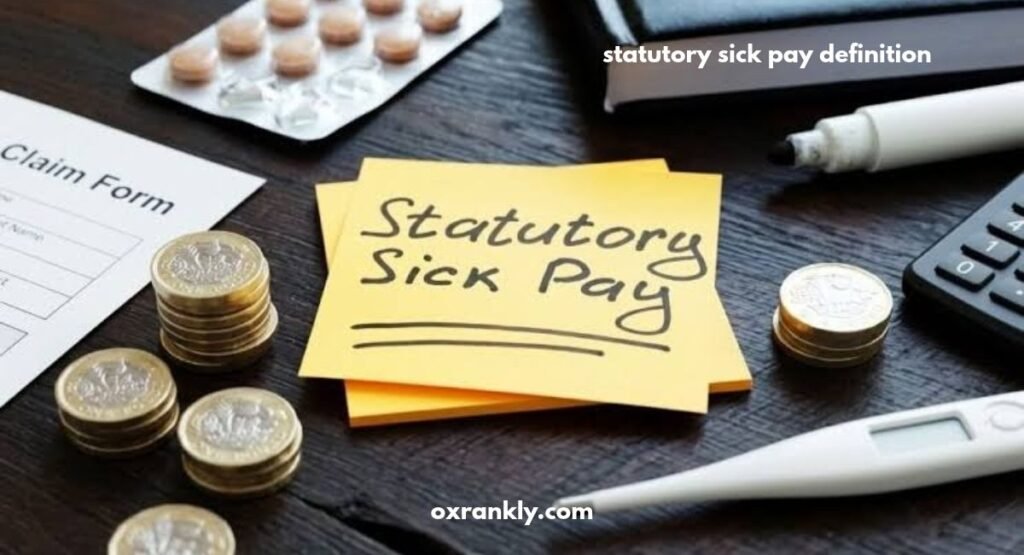
Understanding the statutory sick pay definition is important for employees who become ill and cannot attend work, as well as employers who need to understand their responsibilities. Illness can affect anyone, and taking time away from work to recover may create financial concerns. Statutory Sick Pay, commonly known as SSP, is a legal payment system in the United Kingdom designed to provide eligible employees with financial support when they are unable to work because of sickness.
Many people have questions about how Statutory Sick Pay operates, who can receive it, how much they might be paid, and how long payments can continue. Others want to understand whether they need a doctor’s note, whether their employer can refuse payment, or what happens if their sickness lasts longer than expected. These questions are particularly important when someone depends on their regular wages to cover household bills, rent, food, transport, and other essential expenses.
The statutory sick pay definition goes beyond simply receiving money while being ill. It involves employment rights, eligibility conditions, reporting sickness, payment calculations, and the responsibilities shared by employees and employers. Understanding these elements can help workers make informed decisions and prepare for periods when they cannot perform their normal duties.
This article explains the statutory sick pay definition in detail, including the purpose of SSP, eligibility requirements, payment rules, qualifying days, employer responsibilities, and practical steps employees can take when dealing with workplace sickness. It also explains common misunderstandings and highlights the importance of checking the current rules because UK sick-pay legislation can change.
What Is the Statutory Sick Pay Definition
The statutory sick pay definition refers to a legally established payment that eligible employees in the United Kingdom may receive from their employer when they are unable to work because of illness or incapacity. It is commonly shortened to SSP and forms part of the UK’s employment rights framework.
Unlike an optional workplace benefit, Statutory Sick Pay is a legal entitlement when an employee meets the applicable conditions. Employers cannot simply decide to ignore their statutory obligations because they would prefer an employee to attend work. Equally, not every worker automatically qualifies, because eligibility depends on the rules that apply to their employment and the relevant dates.
The purpose of SSP is to provide a basic level of financial assistance during sickness-related absence. It is not necessarily intended to replace an employee’s full salary. Many employers offer enhanced occupational sick pay, which may provide more generous payments under an employment contract or workplace policy.
For example, imagine an employee who normally works five days a week and develops an illness that prevents them from carrying out their duties. Depending on their eligibility, qualifying days, and the rules in force, they may be entitled to statutory payments for part of their absence. If their employer also provides contractual sick pay, the employee may receive additional support under that arrangement.
The exact amount and duration of SSP depend on the applicable legislation. Therefore, anyone researching the statutory sick pay definition should distinguish between the general meaning of the benefit and the specific rules governing payment in a particular situation.
Who Is Eligible for Statutory Sick Pay
Eligibility is one of the most important parts of the statutory sick pay definition. A person may be unable to work because of illness but still need to meet certain legal conditions before receiving SSP. The applicable requirements depend on their employment status, the date their sickness absence began, and any transitional rules that apply.
Under the UK rules in force from 6 April 2026, eligible workers generally need to meet the following conditions:
- Employment status: They must be classed as employed for tax purposes.
- Starting work: They must have started work for their employer.
- Reporting sickness: They must notify their employer within the applicable reporting deadline.
- Incapacity for work: They must have been sick for at least one full working day.
- Remaining entitlement: They must not have exhausted the maximum SSP entitlement or fall within another applicable exclusion.
The removal of the previous minimum earnings threshold means that eligible employees can qualify even if their earnings are low. Similarly, the old requirement to wait for the first three qualifying days no longer applies to sickness absences covered by the new rules. SSP is now payable from the first qualifying day, subject to the relevant conditions. Acas+1
Do Part-Time Employees Qualify
Part-time employees can qualify for Statutory Sick Pay if they meet the applicable eligibility requirements. Working fewer hours does not automatically prevent someone from receiving SSP.
For example, a person who works three days each week may be eligible when illness prevents them from attending work on one of those days. Their payment is calculated according to their qualifying days and the applicable rate rather than automatically being based on a standard five-day working week.
Employees with irregular schedules may need to agree with their employer which days count as qualifying days. This is especially important for workers whose shifts change each week.
Can Agency Workers Receive Statutory Sick Pay
Agency workers may also qualify for SSP. Their eligibility depends on their employment and tax status, as well as whether the other applicable conditions are satisfied.
Agency workers should check their contract and clarify which organisation is responsible for handling sickness reporting and payment. The organisation responsible for paying wages and managing employment arrangements may need to assess their SSP entitlement.
What About Self-Employed People
Genuinely self-employed individuals who pay their own tax through Self Assessment are generally not eligible for SSP because they are not classed as employed for tax purposes.
However, employment status is not always determined by the label used in a contract. Some people described as contractors may legally be employees or workers for tax purposes. Anyone uncertain about their status should check the circumstances of their working arrangement rather than assuming they are excluded. GOV.UK+1
How Much Is Statutory Sick Pay
Understanding the payment amount is another essential part of the statutory sick pay definition. SSP is designed to provide basic financial support during illness, but it may be considerably lower than an employee’s normal earnings.
For the 2026–2027 tax year, from 6 April 2026 to 5 April 2027, the standard weekly rate is £123.25 or 80% of average weekly earnings, whichever is lower. This means the amount an employee receives depends partly on their normal earnings before becoming sick. Acas+1
For example, consider two eligible employees:
- An employee with average weekly earnings of £300 would receive the standard rate of £123.25 because 80% of £300 is £240.
- An employee with average weekly earnings of £100 would receive £80 because 80% of £100 is lower than £123.25.
These examples illustrate why SSP does not replace the full salary of most employees. The precise amount payable can also depend on the number of qualifying days during the relevant period.
Is Statutory Sick Pay Paid Weekly
The SSP entitlement is expressed as a weekly rate, but payment is normally made through the employer’s usual payroll arrangements. An employee who receives wages monthly will generally receive SSP through the normal monthly payroll rather than necessarily receiving a separate weekly payment.
Employers normally pay SSP in the same way as wages and make the appropriate tax and National Insurance deductions. The amount shown on a payslip may therefore differ from the gross SSP entitlement because of deductions and the employee’s payroll circumstances. GOV.UK+1
Can You Receive Full Salary While on Sick Leave
SSP itself does not normally guarantee full salary. However, an employer may provide contractual sick pay, occupational sick pay, or another workplace benefit that offers a higher payment.
For example, an employment contract may provide full pay for a specified period of sickness, followed by half pay or statutory payments. The precise arrangement depends on the employer’s policy and the terms of the contract.
Employees should therefore review their employment handbook and sick-pay policy. They may receive more than the statutory minimum, but they should not assume that every employer offers enhanced sick pay.
When Does Statutory Sick Pay Start
The start date of SSP is important because it determines which rules apply and which days can be paid.
For sickness absences covered by the rules introduced on 6 April 2026, SSP is payable from the first qualifying day, provided the employee meets the relevant conditions. Previously, employees generally had to wait through three qualifying days before SSP became payable. That waiting-day system was removed under the new rules. Acas+1
A qualifying day is normally a day on which the employee would have been expected to work. This means that not every calendar day of sickness automatically generates a separate SSP payment.
For instance, an employee who normally works Monday to Friday and is sick on Thursday, Friday, and Monday may have three qualifying days during that period. Saturday and Sunday would not normally be qualifying days if the employee was not scheduled to work on those days.
Different arrangements may apply to employees who work weekends, rotating shifts, or irregular hours.
What Happens If You Become Sick During a Shift
The rules distinguish between becoming sick before starting work and leaving after beginning a shift. Under the general employer guidance, a day is not counted as a sick day for SSP purposes if an employee has already worked for at least one minute on that day before going home sick.
This can affect the calculation of the first day of entitlement. Workers who become unwell during a shift should inform their manager, follow the employer’s sickness procedure, and ensure that their absence is recorded accurately. GOV.UK+1
How Long Can You Receive Statutory Sick Pay
Eligible employees can generally receive SSP for up to 28 weeks. This is the maximum statutory payment period, not a guarantee that every employee will receive 28 weeks of payments. Entitlement can end earlier if the employee returns to work or no longer meets the applicable conditions. GOV.UK+1
The length of sickness absence and the employee’s circumstances can influence how the entitlement is assessed. People who experience separate periods of illness may also need to understand the rules governing linked periods of sickness.
What Are Linked Periods of Sickness
Separate periods of sickness can be linked when the gap between them is eight weeks or less and the relevant legal conditions are met.
For example, an employee might be off work for two weeks because of an illness, return to work, and then become sick again several weeks later. The two periods may be treated as linked rather than being assessed entirely independently.
Linked periods can affect the calculation of entitlement and the total period for which SSP is payable. Employees with recurring health problems should keep records of their sickness dates and ask their employer to explain how linked absences have been calculated.
The rules can be more complicated when absences begin before and continue beyond a change in legislation, so employees and employers should consider the relevant dates carefully. GOV.UK+1
What Must Employees Do to Claim Statutory Sick Pay
Employees generally do not need to make a separate application to a government department to receive SSP from their employer. Instead, they should follow the employer’s sickness-reporting procedure and provide the required information.
The first step is to notify the employer that illness is preventing them from working. Employers may have a specific reporting deadline, such as contacting a manager before a shift begins. If no deadline has been set, the general rule is to notify the employer within seven days.
Failing to report sickness on time may affect payment, so employees should not assume that an absence will automatically be recorded correctly. If they cannot contact their manager personally, they should follow the alternative reporting procedure provided by their workplace. GOV.UK+1
Do You Need a Doctor’s Note
A doctor’s note, commonly called a fit note, is generally required when an employee has been off sick for more than seven calendar days in a row. The seven-day period includes weekends and other non-working days.
For shorter absences, employees usually follow their employer’s self-certification procedure. This may involve completing a form or providing details of the dates and reason for the absence.
A fit note can be issued by an appropriate healthcare professional, including a doctor, registered nurse, occupational therapist, pharmacist, or physiotherapist. Employers may also agree to accept other suitable evidence in circumstances permitted by the rules. GOV.UK+1
Employees should keep copies of any sickness forms, fit notes, and messages sent to their employer. These records can be useful if there is a disagreement about the dates of absence or the amount of SSP paid.
What Are an Employer’s Responsibilities Under Statutory Sick Pay Rules
Employers have an important role in applying the statutory sick pay definition correctly. They must assess whether employees qualify, calculate the correct payment, maintain appropriate records, and explain the outcome when an employee is not entitled to SSP.
An employer should not assume that an employee is ineligible simply because they work part-time or earn less than the minimum threshold that applied under the previous system. The eligibility rules changed in April 2026, and employers need to apply the correct rules to the relevant sickness absence.
Employers should also make sure that their payroll systems reflect the current payment rate and that employees understand how sickness reporting works. Clear policies can help prevent confusion and reduce disputes about wages.
Can an Employer Refuse to Pay Statutory Sick Pay
An employer may refuse SSP if the employee does not meet the applicable legal conditions. However, an employer should not refuse payment arbitrarily when the employee qualifies.
If an employee believes their SSP has been refused incorrectly, they should first request a written explanation. They can ask the employer to clarify the eligibility decision, the dates considered, and the calculation used.
If the disagreement remains unresolved, the employee can seek guidance from the appropriate UK employment or tax authority. The relevant dispute process depends on the circumstances and the nature of the disagreement. Acas+1
What Happens If an Employee Is Not Eligible
An employee who does not qualify for SSP may still have other forms of support available. Depending on their circumstances, they might qualify for Universal Credit, Employment and Support Allowance, contractual sick pay, or other assistance.
Employers must provide the appropriate documentation explaining non-entitlement. The SSP1 form is commonly used for this purpose and may support an application for relevant benefits.
If SSP ends because the maximum entitlement has been reached, the employee should ask their employer about the required documentation and consider what financial support may be available. The fact that SSP has ended does not automatically mean that every other form of support is unavailable. GOV.UK+1
Statutory Sick Pay and Company Sick Pay What Is the Difference
Although the terms sound similar, Statutory Sick Pay and company sick pay are not identical.
Statutory Sick Pay is the minimum legal payment available to eligible employees under the applicable rules. Company sick pay, sometimes called occupational sick pay, is an additional benefit that an employer may provide through an employment contract or workplace policy.
The following table explains the main differences.
| Feature | Statutory Sick Pay | Company Sick Pay |
|---|---|---|
| Basis | Legal entitlement for eligible employees | Employment contract or workplace policy |
| Payment amount | The applicable statutory rate | Depends on the employer’s scheme |
| Duration | Generally up to 28 weeks | Depends on contractual terms |
| Eligibility | Governed by statutory conditions | Governed by the scheme’s terms, subject to legal rights |
| Payment administration | Usually handled through payroll | Usually handled through payroll |
Some employers offer full pay during the initial weeks of sickness and then reduce the amount. Others offer a fixed period of enhanced sick pay before SSP becomes the main source of payment.
Employees should check whether their employer’s scheme includes SSP within the total amount paid or provides an additional amount on top of it. The wording of the contract or policy determines how the benefit operates, subject to the applicable law.
Understanding this distinction helps employees estimate their income during illness and avoid assuming that the statutory payment automatically equals their regular salary.
What Happens When Statutory Sick Pay Ends
The end of SSP can be financially challenging, particularly for employees who remain unable to work because of a long-term illness or injury.
Because SSP is generally limited to 28 weeks, an employee who remains unwell beyond that period may need to consider other arrangements. These might include benefits, occupational sick pay if still available, a workplace pension’s relevant provisions, or a return-to-work plan supported by medical advice.
Employees should communicate with their employer before their SSP entitlement ends whenever possible. This gives both parties an opportunity to discuss the employee’s circumstances, the expected duration of the absence, and any reasonable adjustments or alternative duties that may be appropriate.
An employer must provide the relevant SSP1 documentation when required. If the end of entitlement is expected in advance, the form should normally be provided on or before the beginning of the 23rd week. If SSP ends unexpectedly while the employee remains sick, the employer must generally provide it within seven days of the entitlement ending. GOV.UK+1
A long-term sickness absence does not necessarily mean an employee must immediately leave their job. Depending on the circumstances, the employer and employee may explore phased returns, adjusted hours, amended duties, or other arrangements. Any decisions should take account of the employment contract and applicable employment law.
Common Misunderstandings About the Statutory Sick Pay Definition
Several misconceptions can make it difficult for employees to understand their rights. The following points help clarify some of the most common questions.
Everyone Automatically Receives SSP
Not every person who becomes ill qualifies for SSP. Employment status, reporting requirements, and other legal conditions still matter. Employees should check their eligibility rather than assuming that every absence results in a payment.
Low Earnings Always Prevent Eligibility
This was a concern under the previous rules, but the minimum earnings threshold was removed for eligible sickness absences covered by the rules introduced on 6 April 2026. Low earnings alone no longer automatically disqualify an otherwise eligible employee under the new system. Acas+1
SSP Always Covers Full Wages
SSP is a statutory minimum payment, not a guarantee of full salary. The amount is based on the applicable rate and earnings calculation. Employees who need more generous support should check whether their employer offers contractual sick pay.
A Doctor’s Note Is Always Required From Day One
A fit note is generally needed when sickness lasts more than seven calendar days in a row. Shorter absences are usually handled through self-certification and the employer’s reporting process, although employees should follow any lawful and applicable workplace requirements.
Weekends Always Count as Paid Sick Days
Weekends count as calendar days when assessing the duration of an absence, but they are not necessarily qualifying days for payment. SSP is normally paid for qualifying days, which are usually the days the employee would have worked.
Knowing the difference between calendar days and qualifying days helps employees understand why the payment may not match the total number of days they were ill.
Practical Example of How Statutory Sick Pay Works
Consider an employee who normally works five days a week and becomes ill for two weeks. The employee reports the sickness within the required deadline and provides any evidence needed under the applicable rules.
If the employee qualifies for SSP, the employer calculates the payment using the employee’s average weekly earnings and the statutory rate. For the 2026–2027 tax year, the weekly rate is £123.25 or 80% of average weekly earnings, whichever is lower.
If the employee’s average weekly earnings are £200, 80% would equal £160. The lower amount is therefore £123.25 for a full week of qualifying entitlement. If the employee’s average weekly earnings are £100, the relevant amount would instead be £80 for a full week.
The final payment depends on the qualifying days, the length of the absence, and any relevant transitional rules. The employer should calculate the amount correctly and include it in payroll.
This example shows why the statutory sick pay definition is more than a simple explanation of a payment. Employees need to understand how eligibility, earnings, absence dates, and qualifying days work together.
Frequently Asked Questions About Statutory Sick Pay
What is the statutory sick pay definition in simple terms
The statutory sick pay definition describes the legal payment that eligible employees in the United Kingdom can receive from their employer when illness prevents them from working. It provides basic financial support during sickness absence.
What is the current weekly rate of SSP
For the 2026–2027 tax year, the standard weekly rate is £123.25 or 80% of average weekly earnings, whichever is lower. The amount payable depends on the employee’s earnings and qualifying days.
How long can SSP last
Eligible employees can generally receive SSP for up to 28 weeks. Payments may end sooner if the employee returns to work or no longer qualifies.
Can part-time workers receive SSP
Yes. Part-time workers may qualify if they satisfy the applicable eligibility requirements. Their payment is calculated according to the relevant rules and qualifying days.
Do employees need to earn a minimum amount to qualify
Under the rules introduced on 6 April 2026, the previous minimum earnings threshold was removed for eligible employees. Other eligibility conditions still apply.
Is SSP the same as company sick pay
No. SSP is the statutory payment for eligible employees, whereas company sick pay is an additional benefit that may be provided under an employment contract or workplace policy.
What should someone do if their employer refuses SSP
The employee should ask for a written explanation, review their eligibility, and request a breakdown of the payment calculation. If the dispute remains unresolved, they can seek assistance from the relevant UK employment or tax authority.
What happens after SSP ends
Employees who remain unable to work may be able to explore other financial support, including Universal Credit or Employment and Support Allowance, depending on their circumstances. The employer may need to provide an SSP1 form to support the next steps.
Conclusion
The statutory sick pay definition explains an important employment right for people who cannot work because of illness. SSP provides eligible employees with a basic level of financial support while they recover, helping them manage essential expenses during a difficult period.
Understanding eligibility, reporting requirements, qualifying days, payment calculations, and the maximum entitlement period can help employees avoid confusion and make informed decisions. It is equally important for employers to apply the correct rules, maintain accurate records, and communicate clearly about sickness-related payments.
The changes introduced on 6 April 2026 made SSP available to eligible employees regardless of earnings and removed the previous three-day waiting period for applicable absences. The current weekly rate for 2026–2027 is £123.25 or 80% of average weekly earnings, whichever is lower.
Ultimately, knowing the statutory sick pay definition helps both employees and employers understand their responsibilities and rights. Anyone dealing with a particular sickness absence should check the rules applicable to their circumstances, especially when the absence began before a legislative change or involves repeated periods of illness.