
Introduction to Management and Information Technology
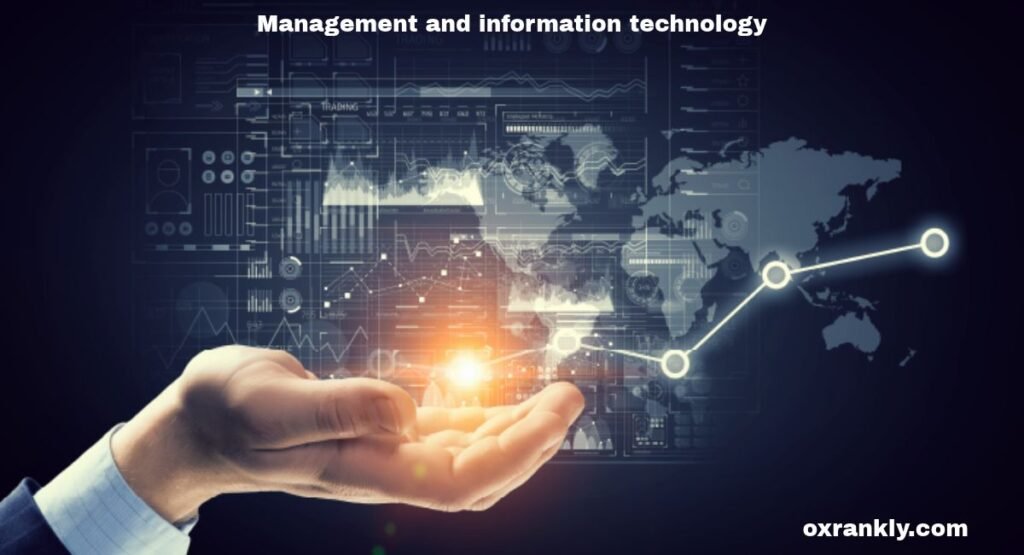
Management and information technology have become closely connected in the modern business world. Organizations of all sizes depend on effective management practices and reliable technological systems to achieve their goals, improve productivity, and remain competitive. Management involves planning, organizing, leading, and controlling business activities, while information technology includes the computers, software, networks, databases, and digital tools used to collect, process, store, and share information.
When these two areas work together, businesses can make better decisions, communicate more efficiently, manage resources effectively, and respond quickly to changes in the market. Technology helps managers access accurate information, monitor performance, coordinate employees, and identify opportunities for improvement. At the same time, management ensures that technological resources support the organization’s objectives rather than becoming unnecessary expenses.
The relationship between management and information technology is important for small businesses, large corporations, educational institutions, healthcare organizations, government departments, and nonprofit organizations. Almost every industry uses digital systems to organize information and improve daily operations. Understanding this relationship helps business owners, managers, employees, and students recognize how technology contributes to organizational success.
As digital transformation continues to influence the workplace, businesses need managers who understand both traditional management principles and modern technological developments. The combination of these skills creates opportunities for innovation, efficiency, and sustainable growth.
Understanding Management and Information Technology
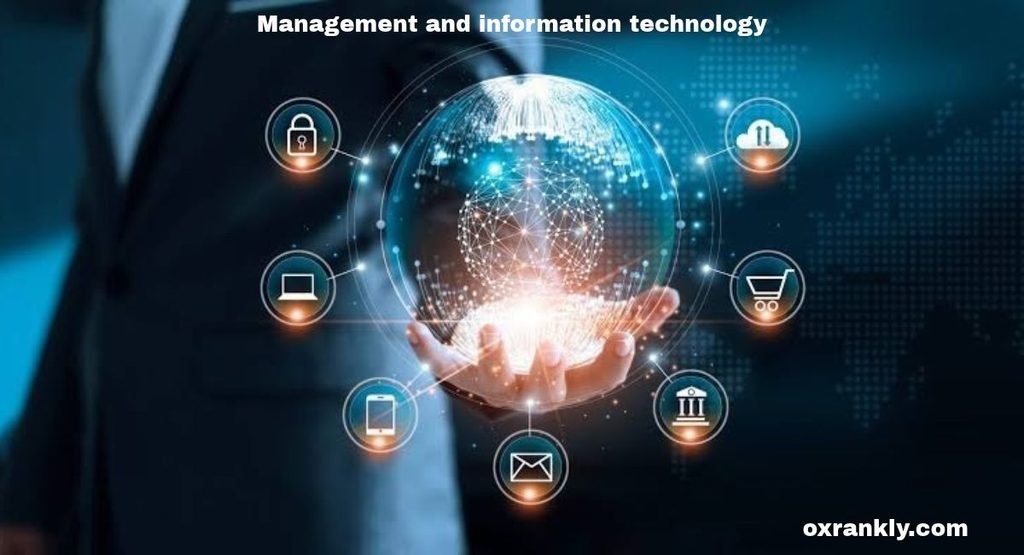
Management is the process of coordinating people, finances, equipment, information, and other resources to achieve specific objectives. Managers establish goals, assign responsibilities, develop strategies, supervise employees, and evaluate results. Their decisions influence the performance, profitability, and long-term direction of an organization.
Information technology supports these responsibilities by providing tools that make information easier to access, analyze, and distribute. For example, accounting software helps managers review expenses, project management platforms track assignments, and customer relationship management systems organize customer information.
The connection between management and information technology is not limited to purchasing computers or installing business software. It also involves deciding which technologies are appropriate, training employees, managing digital risks, measuring results, and ensuring that technological investments contribute to organizational goals.
A company might introduce an advanced inventory system, but the system will not automatically solve every operational problem. Managers must establish clear procedures, ensure that employees understand how to use the software, and regularly evaluate whether it improves inventory accuracy.
Successful organizations therefore treat technology as a strategic resource. They combine technological capabilities with human judgment, leadership, communication, and planning to create systems that support business performance.
The Importance of Information Technology in Management
Information technology has changed the way managers perform their responsibilities. In traditional workplaces, many administrative tasks required paper documents, manual calculations, telephone calls, and face-to-face meetings. These methods can still be useful, but digital systems often make routine processes faster and easier to coordinate.
One major benefit is improved access to information. Managers can use digital dashboards to review sales figures, financial reports, employee performance, customer feedback, and operational costs. Having this information available helps them understand what is happening within the organization and identify problems before they become more serious.
Technology also improves consistency. Digital forms, automated calculations, and standardized reporting systems can reduce certain types of human error. For example, accounting software can organize transactions and generate financial summaries without requiring employees to calculate every figure manually.
Another important advantage is coordination. Different departments often depend on one another to complete business activities. Sales teams need product availability information, finance departments require accurate transaction records, and managers need updates from employees. Shared information systems help these departments work with consistent information.
However, technology should support management rather than replace it completely. Managers must still interpret information, understand employee needs, resolve conflicts, make ethical decisions, and determine the best course of action when circumstances change.
How Technology Improves Business Decision Making
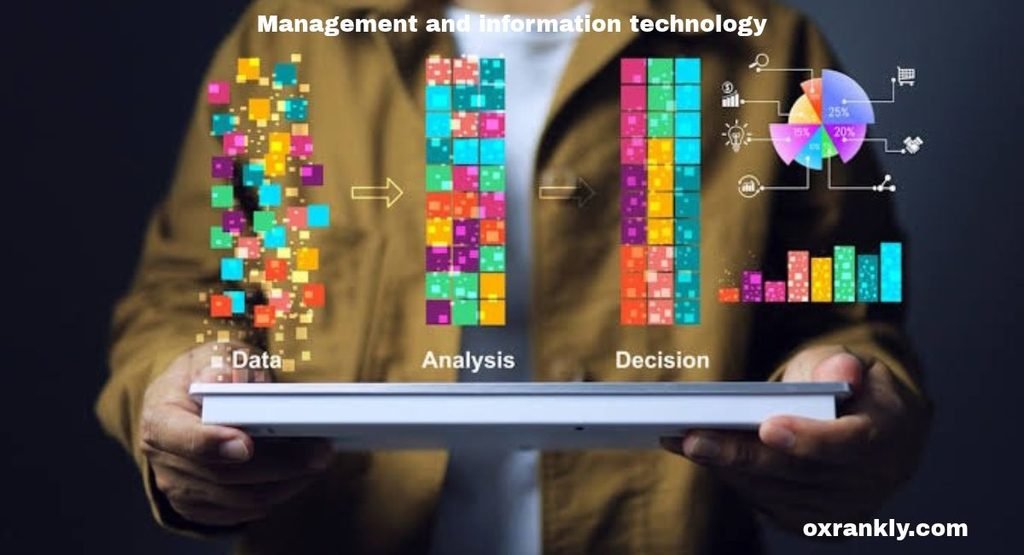
Decision-making is one of the most important responsibilities of a manager. Every organization must decide how to allocate resources, set prices, develop products, hire employees, manage expenses, and respond to competitors. The quality of these decisions can significantly influence business performance.
Information technology gives managers access to data that can support more informed decisions. Business intelligence tools, reporting systems, and analytical software can organize large amounts of information into understandable summaries. Instead of relying entirely on assumptions, managers can examine patterns and compare actual performance with planned objectives.
For example, a retail business may use sales reports to discover which products perform best during particular seasons. Managers can use this information to adjust purchasing decisions, plan promotions, and avoid ordering excessive stock. Similarly, a service company may analyze customer complaints to identify recurring problems and improve its service process.
Predictive analytics can also help organizations estimate future demand, anticipate maintenance requirements, and identify possible financial risks. These predictions are not guaranteed to be correct, but they can provide useful guidance when combined with professional judgment.
Good decision-making also requires accurate data. If information is incomplete, outdated, biased, or incorrectly entered, even sophisticated analytical tools can produce misleading results. Managers must therefore establish reliable data collection practices and regularly review the quality of the information used in important decisions.
The Role of Information Systems in Management
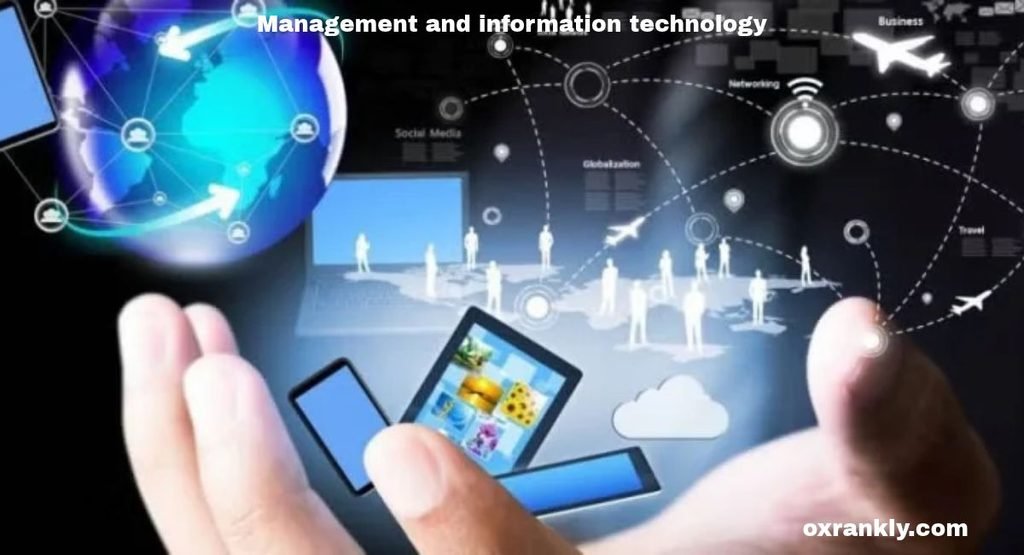
Information systems are essential components of modern organizational management. They combine technology, information, people, and processes to support specific business activities. Different systems serve different purposes, depending on the organization’s size, industry, and operational needs.
Management information systems help managers obtain reports about business activities. These reports may include sales performance, operating expenses, production levels, employee attendance, and inventory movements. Such information helps managers monitor progress and identify areas that require attention.
Transaction processing systems handle routine activities such as sales transactions, payroll calculations, customer orders, and payments. These systems help businesses process repeated transactions efficiently and maintain organized records.
Enterprise resource planning systems connect multiple business functions, such as accounting, purchasing, inventory management, human resources, and production. By bringing information together, they can reduce duplication and improve coordination across departments.
Customer relationship management systems help businesses manage customer interactions, record communication histories, and organize sales opportunities. Managers can use these systems to understand customer preferences, coordinate service teams, and evaluate customer retention efforts.
The most suitable information system depends on the organization’s objectives. A small company may need only basic accounting and customer management software, while a multinational organization may require integrated systems across several countries. Managers should select solutions according to practical needs, available resources, security requirements, and expected benefits.
Improving Communication and Collaboration
Communication is essential to effective management. Employees need clear instructions, departments must share information, and managers must explain organizational goals. Poor communication can cause misunderstandings, duplicated work, delays, and unnecessary conflict.
Information technology provides several ways to improve workplace communication. Email, instant messaging, video conferencing, shared calendars, and collaborative documents allow employees to exchange information quickly. These tools can be particularly useful when teams work across different offices, cities, or countries.
Project management platforms also help managers coordinate responsibilities. Team members can view assigned tasks, update progress, identify deadlines, and communicate about problems. This shared visibility makes it easier to understand which activities are complete and which require additional attention.
Remote and hybrid working arrangements have increased the importance of digital collaboration. Employees can participate in meetings, share files, and contribute to projects without always being physically present in the same workplace. This flexibility can help organizations access a wider talent pool and accommodate different working arrangements.
Nevertheless, more communication does not always mean better communication. Excessive notifications, unnecessary meetings, and unclear messaging can reduce productivity. Managers should establish appropriate communication guidelines, protect employees’ concentration time, and choose tools that match the purpose of each interaction.
Effective management and information technology work together when digital communication supports clear responsibilities, respectful collaboration, and timely decision-making.
Information Technology and Employee Productivity
Employee productivity refers to how effectively workers use their time, knowledge, and resources to produce valuable results. Businesses often invest in technology because it can reduce repetitive work, improve access to information, and help employees complete tasks more efficiently.
Automation is one way technology supports productivity. Software can perform routine activities such as generating invoices, sending appointment reminders, organizing records, and preparing standard reports. Employees can then devote more time to activities that require problem-solving, creativity, communication, or specialized expertise.
Digital scheduling tools can help managers allocate work and coordinate employee availability. Document management systems make it easier to locate important files, while collaboration platforms allow teams to work on shared projects without repeatedly exchanging separate document versions.
Technology can also support employee development. Online training platforms provide access to learning materials, instructional videos, assessments, and professional courses. Managers can use these resources to help employees develop technical skills and prepare for new responsibilities.
However, productivity improvements depend on how technology is introduced. Complicated software, poorly designed workflows, insufficient training, and excessive monitoring can create frustration rather than efficiency. Organizations should consult employees before making major changes, provide practical training, and evaluate whether the technology genuinely improves working conditions and results.
A productive workplace uses technology to help employees perform meaningful work, not simply to increase the number of digital tools they must manage.
The Role of Technology in Financial Management
Financial management involves planning, organizing, monitoring, and controlling an organization’s financial resources. Managers must understand revenue, expenses, cash flow, budgets, investments, and financial risks. Information technology can make these activities easier to coordinate and evaluate.
Accounting software helps organizations record financial transactions, prepare financial statements, organize invoices, and monitor outstanding payments. Automated calculations can reduce manual workload, although financial records still require appropriate review and reconciliation.
Budgeting tools allow managers to compare planned spending with actual expenses. If a department exceeds its budget, managers can investigate the reasons and decide whether to adjust spending, revise forecasts, or improve cost controls.
Financial dashboards can provide a clearer picture of business performance. For example, a manager may compare monthly revenue, operating costs, profit margins, and cash flow to determine whether the organization is meeting its financial targets.
Digital payment systems can also make transactions more convenient for businesses and customers. However, these systems require appropriate safeguards to protect payment information and reduce the risk of fraud.
Financial technology is most effective when supported by accurate records, clear approval procedures, regular audits, and responsible management. Software can assist with calculations and reporting, but managers remain responsible for interpreting results and making sound financial decisions.
Information Technology in Human Resource Management
Human resource management focuses on recruiting, training, supporting, and retaining employees. Organizations depend on their workforce to achieve business objectives, making effective employee management a major priority.
Human resource information systems help organizations maintain employee records, manage attendance, organize payroll information, and coordinate recruitment activities. Depending on the software, these systems may also support performance reviews, training records, and employee benefits administration.
Recruitment platforms allow hiring teams to organize applications, communicate with candidates, and schedule interviews. Digital onboarding systems can provide new employees with policies, training materials, and information about their responsibilities.
Learning management systems support employee development by organizing training courses and tracking participation. Managers can identify skills gaps and arrange appropriate learning opportunities to help employees improve their performance.
Technology can also help organizations evaluate workforce trends, such as employee turnover, recruitment timelines, and training participation. These insights may help managers identify issues affecting retention or workplace effectiveness.
However, human resource technology must be used carefully. Employee information is sensitive, and automated recruitment or performance tools can produce unfair outcomes if their design or underlying data contains bias. Managers should protect employee privacy, assess automated decisions critically, and ensure that people have opportunities to question significant decisions affecting their careers.
Supporting Customer Service and Customer Satisfaction
Customer satisfaction is important for business growth, reputation, and long-term profitability. Customers generally expect accurate information, timely responses, convenient purchasing processes, and reliable support when problems occur.
Information technology helps organizations manage these expectations. Customer relationship management systems can maintain records of previous purchases, service requests, and customer preferences. This information allows employees to understand a customer’s situation without requiring the customer to explain everything again.
Businesses can also use online chat systems, email support, customer service platforms, and automated assistance tools to respond to common questions. These systems may help reduce waiting times and make support available across different communication channels.
Customer feedback systems provide another valuable source of information. Organizations can collect reviews, survey responses, complaint records, and service ratings to identify recurring problems. Managers can then prioritize improvements based on customer needs and business objectives.
Personalization is another potential advantage. Businesses may use relevant customer information to recommend suitable products, provide helpful updates, or tailor services to individual preferences. Such practices should remain transparent and respect customer privacy.
Technology alone cannot guarantee customer satisfaction. Employees still need communication skills, patience, product knowledge, and the authority to resolve problems. The best customer service combines convenient digital systems with thoughtful human assistance.
Cybersecurity and Information Protection
As organizations become increasingly dependent on digital systems, protecting information becomes a fundamental management responsibility. Businesses may store financial records, customer details, employee information, intellectual property, and confidential operational documents. Unauthorized access or data loss can create serious financial and reputational consequences.
Cybersecurity involves the practices and technologies used to protect systems, networks, applications, and information from digital threats. Common safeguards include strong authentication, access controls, software updates, encryption, security monitoring, and reliable backups.
Managers should ensure that employees receive appropriate cybersecurity training. Staff members need to understand how to recognize suspicious messages, handle confidential files, create secure passwords, and report potential security incidents.
Access permissions should reflect employees’ actual responsibilities. For example, a staff member who handles customer service may need access to customer records but may not require unrestricted access to the organization’s financial systems.
Organizations should also prepare incident response procedures. If a security breach occurs, employees need to know whom to contact, how to contain the problem, and how to preserve relevant information. Regular backups and tested recovery plans can help reduce disruption.
Cybersecurity is not only a technical issue for IT specialists. It requires leadership, budgeting, employee cooperation, clear policies, and ongoing risk assessment. Managers must balance accessibility and convenience with appropriate protection of business information.
Challenges of Integrating Management and Information Technology
Although technology offers many advantages, implementing new systems can create significant challenges. Organizations must consider financial costs, employee readiness, technical compatibility, security risks, and the possibility of operational disruption.
The initial cost of technology may include software licenses, hardware purchases, system configuration, data migration, employee training, and ongoing technical support. Smaller businesses may find these expenses difficult to manage, especially when the benefits are uncertain.
Resistance to change is another common challenge. Employees may worry that new systems will make their jobs more complicated or replace familiar processes. Managers can address these concerns by explaining the reasons for the change, involving employees in planning, and providing appropriate training.
Compatibility problems may arise when different departments use systems that cannot easily exchange information. This can lead to duplicated data entry, inconsistent reports, and delays. Organizations should evaluate integration requirements before purchasing new software.
Rapid technological development creates additional pressure. A system that meets current requirements may need updates as business needs evolve. Managers should consider flexibility, ongoing maintenance, vendor support, and future costs when evaluating technological investments.
There is also the risk of depending too heavily on automated systems. Software failures, network interruptions, and incorrect configurations can disrupt operations. Maintaining contingency procedures and appropriate human oversight helps organizations respond when technology does not work as expected.
Careful planning, realistic budgeting, employee involvement, and regular evaluation can reduce these challenges and improve the likelihood of successful implementation.
Artificial Intelligence and the Future of Management
Artificial intelligence is becoming an increasingly important part of business technology. AI systems can analyze information, identify patterns, generate summaries, support customer service, and assist with certain forecasting and administrative tasks.
Managers may use AI-enabled tools to organize meeting notes, summarize business reports, explore customer feedback, or identify trends in operational data. In some environments, AI can also support demand forecasting, equipment maintenance, and workflow optimization.
These capabilities can help managers process information more quickly. However, AI-generated results may contain errors, reflect biased data, or omit important context. Managers should verify important outputs rather than accepting them automatically.
The use of AI also raises questions about privacy, accountability, transparency, and employee development. Organizations need policies that explain which information employees may enter into AI tools, which decisions require human approval, and how sensitive data should be protected.
AI is most useful when it complements human expertise. Managers contribute contextual understanding, ethical judgment, leadership, negotiation, and awareness of organizational priorities. Technology can support these abilities, but it does not eliminate the need for responsible human decision-making.
In the coming years, organizations that combine suitable AI applications with clear governance and employee training may be better positioned to improve efficiency and adapt to changing business conditions.
Cloud Computing and Remote Management
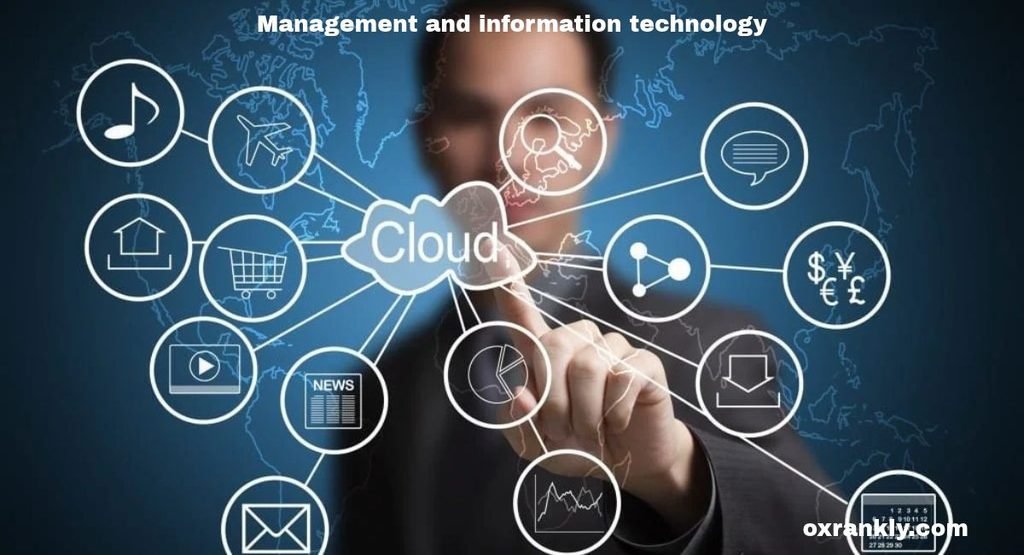
Cloud computing allows organizations to access computing resources, applications, and data through network-based services rather than relying entirely on locally installed systems. It has changed how businesses store information, collaborate, and manage their technology infrastructure.
Cloud-based accounting software, document storage, project management platforms, and customer management systems can allow authorized employees to access business information from different locations. This flexibility can be useful for organizations with multiple offices or remote employees.
Cloud services may also reduce the need for businesses to maintain all their own servers and infrastructure. Depending on the provider and service model, organizations can adjust capacity as requirements change and access maintenance or security features managed by the provider.
However, cloud computing still requires careful management. Businesses must evaluate access controls, backup arrangements, service reliability, contractual terms, regulatory obligations, and the possibility of service interruptions.
Managers should also consider how employees access cloud systems. Devices must be secured, permissions should be reviewed regularly, and sensitive information should be shared only with authorized individuals.
Remote management works best when technology is supported by clear expectations. Employees need to understand their responsibilities, reporting arrangements, communication procedures, and performance objectives. Cloud computing provides flexibility, while effective management ensures that teams remain coordinated and accountable.
Project Management and Digital Tools
Project management involves planning activities, allocating resources, coordinating teams, controlling costs, and completing work within agreed timelines. Digital project management tools help managers organize these responsibilities and monitor progress.
A project management platform may include task lists, calendars, timelines, file sharing, progress indicators, and responsibility assignments. These features help team members understand what needs to be completed, who is responsible, and when each task is due.
For example, a company developing a new product may use a digital platform to coordinate design, purchasing, testing, marketing, and production. Each department can update its progress, allowing managers to identify delays and resolve dependencies before they affect the entire project.
Digital reports can also help managers compare planned progress with actual performance. If a project exceeds its budget or falls behind schedule, managers can investigate the cause and consider changes to resources, priorities, or deadlines.
However, project management software cannot compensate for unclear objectives or poor leadership. A project still needs realistic planning, appropriate resources, clear responsibilities, and communication between stakeholders.
Managers should choose tools that fit the team’s workflow instead of adding unnecessary complexity. Regular reviews and practical reporting requirements can help ensure that digital project management improves delivery rather than creating additional administrative work.
Data Analytics and Business Performance
Data analytics involves examining information to understand what has happened, why it happened, and what might happen next. It helps managers turn raw data into insights that can support planning and operational improvement.
Descriptive analytics summarizes historical performance. Managers might use it to examine monthly revenue, website traffic, customer retention, production output, or employee attendance.
Diagnostic analytics explores possible reasons behind observed results. If sales decline, for example, managers may compare product availability, pricing changes, marketing activity, seasonal demand, and customer feedback to identify contributing factors.
Predictive analytics uses statistical methods and other models to estimate future outcomes. Businesses may apply it to demand forecasting, inventory planning, or customer behavior analysis. Prescriptive analytics goes further by comparing potential actions and helping managers evaluate available options.
The value of analytics depends on asking the right questions. Collecting large amounts of data does not automatically improve performance. Managers must identify useful indicators, ensure that the information is trustworthy, and understand the limitations of analytical methods.
Organizations should also avoid measuring success through numbers that do not reflect meaningful outcomes. For example, the number of customer service calls handled may be less informative than whether customers’ problems were resolved effectively.
When used thoughtfully, data analytics supports evidence-based management and helps organizations improve their processes over time.
Strategic Planning and Digital Transformation
Strategic planning determines an organization’s long-term direction and identifies the resources and activities needed to achieve its goals. Information technology can support this process by improving market analysis, performance measurement, resource planning, and communication.
Digital transformation involves using technology to change or substantially improve business processes, services, organizational capabilities, or customer experiences. It may involve introducing new software, automating manual activities, redesigning workflows, or creating entirely new digital services.
A successful transformation begins with a clear business objective. An organization might want to reduce order processing time, improve customer retention, increase reporting accuracy, or make services more accessible. Managers can then identify the technological changes that may help achieve that objective.
Organizations should avoid adopting technology simply because it is popular. Every investment should have a clear purpose, realistic costs, and measurable success criteria. Managers should consider employee needs, customer expectations, existing systems, and potential risks before making major commitments.
Implementation should also be treated as an ongoing process. Businesses may need to introduce changes in stages, collect feedback, resolve problems, and update procedures as employees gain experience.
Effective digital transformation requires cooperation between business leaders, IT professionals, employees, and other stakeholders. When technological investments align with the organization’s strategy, they are more likely to produce lasting improvements.
The Importance of IT Skills for Modern Managers
Modern managers do not necessarily need to become software developers or cybersecurity specialists. However, they benefit from understanding the basic capabilities, limitations, costs, and risks of the technology used by their organizations.
Digital literacy helps managers communicate with technical teams, evaluate software proposals, and understand how information moves between systems. It also enables them to recognize when a business problem requires a process improvement rather than another technological purchase.
Data literacy is equally important. Managers should be able to interpret reports, recognize misleading comparisons, ask questions about data quality, and understand the difference between correlation and causation.
Cybersecurity awareness helps managers recognize risks and encourage responsible behavior. Knowledge of privacy principles and information governance is also valuable when working with employee records, customer data, and confidential business information.
Leadership skills remain essential. Managers must explain changes, support employees during implementation, resolve disagreements, and ensure that technology serves the needs of the organization.
Businesses can strengthen these capabilities through workshops, professional development programs, mentoring, and practical training. Continuous learning is particularly important because digital tools and workplace expectations continue to evolve.
A manager who combines sound business judgment with practical technological knowledge is better equipped to make informed decisions and lead teams through change.
Measuring the Success of Information Technology Investments
Organizations need to determine whether their technology investments are delivering meaningful results. Without proper evaluation, businesses may continue paying for systems that provide little value or fail to recognize tools that could be improved.
Managers can begin by establishing clear objectives before implementation. For example, a new inventory system might aim to improve stock accuracy, reduce time spent preparing reports, or decrease the frequency of stock shortages.
Key performance indicators can help measure progress. Depending on the project, these indicators may include processing time, operating costs, error rates, customer satisfaction, system availability, employee adoption, or the time required to complete particular tasks.
Financial evaluation is also important. Managers should consider the total cost of ownership, including purchase expenses, subscriptions, training, maintenance, upgrades, and support. These costs can then be compared with measurable savings or other business benefits.
Not every benefit is immediately financial. A new communication platform may improve employee coordination, while a security system may reduce the likelihood or potential impact of a damaging incident. These benefits should be considered alongside direct cost savings.
Evaluation should continue after implementation. Managers can gather feedback, compare actual results with initial targets, and identify areas for improvement. This approach helps organizations make better technology decisions in the future.
Ethical Considerations in Management and Information Technology
Ethical management is essential when organizations collect information, automate decisions, monitor employees, or use digital services. Technology can improve efficiency, but it can also create risks if personal information is mishandled or decisions are made without appropriate oversight.
Privacy is a central concern. Organizations should collect only information that is necessary for legitimate purposes, protect it appropriately, and explain how it will be used. Managers should also understand the privacy laws and regulatory requirements that apply to their operations.
Fairness is another important issue. Automated systems may produce biased results if their training data or decision rules disadvantage particular groups. Organizations should test systems carefully and provide human review for decisions with significant consequences.
Transparency helps build trust. Employees and customers should receive appropriate information about important automated processes, data collection practices, and the limitations of digital services.
Accessibility also matters. Technology should be designed and implemented with different user needs in mind, including users who require assistive technologies or alternative ways to access information.
Managers must balance innovation with responsibility. Ethical technology practices protect people, strengthen organizational credibility, and reduce the risk of legal, operational, and reputational problems.
The Future of Management and Information Technology
The relationship between management and information technology will continue to evolve as organizations adopt new digital capabilities. Artificial intelligence, automation, cloud computing, advanced analytics, and connected devices are likely to influence how businesses operate and how managers make decisions.
Routine administrative tasks may become increasingly automated, allowing employees to focus more on complex problems, customer relationships, and creative work. At the same time, organizations will need to invest in employee training to ensure that workers can adapt to changing responsibilities.
Decision-making may become more data-driven as managers gain access to increasingly detailed operational information. However, the ability to interpret that information critically will remain important. Managers must distinguish reliable evidence from misleading patterns and ensure that technology supports appropriate business objectives.
Cybersecurity and privacy will also remain major priorities. As organizations become more connected, they must protect systems, prepare for disruptions, and establish clear rules for handling information.
The future will require a balanced approach. Businesses that rely only on technology may overlook human needs, while organizations that ignore digital developments may struggle to remain efficient and competitive.
Successful managers will combine technological awareness with strategic thinking, ethical judgment, communication, adaptability, and leadership. These qualities will help organizations respond to change while maintaining trust and delivering value to customers and employees.
Conclusion
Management and information technology are closely connected elements of modern organizational success. Management provides the direction, planning, leadership, and accountability required to achieve business objectives, while information technology supplies tools that improve communication, data analysis, financial control, project coordination, and daily operations.
When implemented effectively, digital systems can help organizations reduce repetitive work, improve decision-making, support employees, strengthen customer service, and respond to changing market conditions. Technologies such as management information systems, cloud computing, data analytics, and artificial intelligence offer valuable opportunities for improving efficiency and developing new business capabilities.
However, successful implementation requires more than purchasing software or upgrading equipment. Organizations must consider costs, employee training, cybersecurity, privacy, system reliability, and the ethical use of information. Managers must also evaluate whether each technological investment produces meaningful improvements.
The most effective approach combines appropriate technology with capable leadership and well-designed business processes. Human judgment remains essential for interpreting information, managing relationships, resolving complex problems, and making responsible decisions.
Ultimately, management and information technology work best when they support one another. Businesses that align digital resources with clear objectives, invest in employee skills, protect information, and continuously evaluate performance can build more adaptable, efficient, and sustainable organizations in an increasingly digital world.