

Introduction
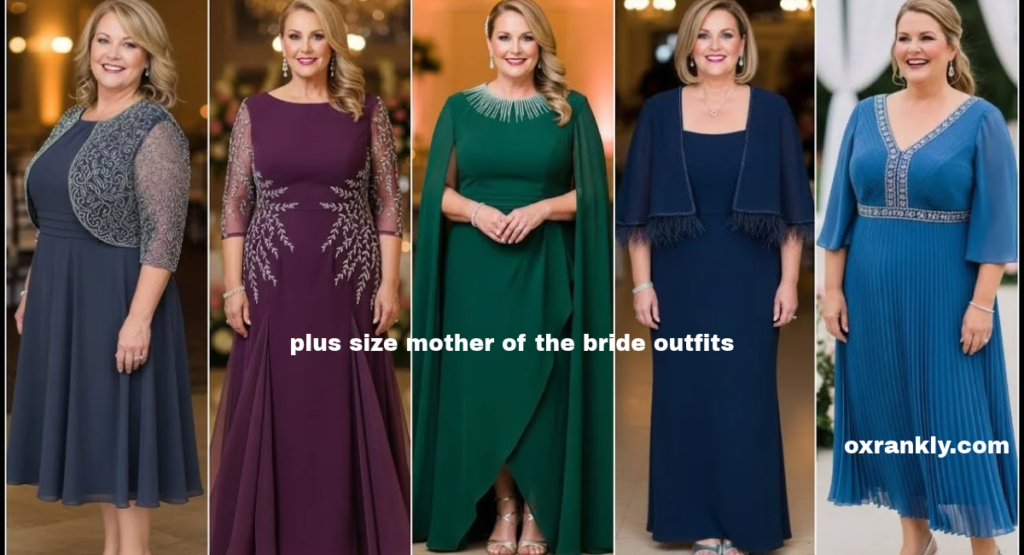
A wedding is one of the most meaningful occasions in a family’s life, and the mother of the bride deserves to feel beautiful, confident, and comfortable throughout the celebration. Choosing the perfect outfit can make the experience even more special. With so many styles, colors, fabrics, and silhouettes available, finding the right look has become easier than ever. Modern plus size mother of the bride outfits offer elegant designs that celebrate different body shapes while providing the sophistication and comfort needed for a long wedding day.
From beautifully tailored dresses and flowing chiffon gowns to stylish two-piece suits and contemporary jumpsuits, there are countless ways to create a memorable wedding look. The best outfit is not necessarily the most expensive or the most elaborate. Instead, it is the one that reflects your personality, complements the wedding’s atmosphere, and makes you feel wonderful when you look in the mirror.
Whether the wedding takes place in a grand ballroom, a beautiful garden, a traditional church, or a sunny beach destination, your outfit should suit the venue and season. Thoughtful choices in color, fabric, fit, and accessories can transform a simple dress into an elegant ensemble.
This guide explores different styles, flattering silhouettes, seasonal fashion ideas, accessories, shopping tips, and practical advice to help you choose an outfit that feels just right for this unforgettable family celebration.
Understanding Plus Size Mother of the Bride Outfits
Plus size mother of the bride outfits are designed to provide elegance, comfort, and a flattering fit for women who wear plus size clothing. These outfits range from traditional formal dresses to modern separates, allowing mothers to choose a look that matches their individual preferences.
The most important consideration is how an outfit fits and feels. A beautiful dress should allow you to sit, stand, walk, dance, and greet guests without constantly adjusting the fabric. Well-placed seams, thoughtfully designed waistlines, comfortable sleeves, and suitable fabric weights can all contribute to a polished appearance.
Today’s occasionwear includes a wide variety of silhouettes, so women do not need to limit themselves to a particular style simply because of their clothing size. Some may prefer a structured dress that defines the waist, while others may feel more comfortable in a flowing gown or a tailored pantsuit.
It is also helpful to consider the overall wedding aesthetic. A formal evening celebration may call for luxurious fabrics and refined embellishments, while a relaxed daytime ceremony may be better suited to a lighter dress with subtle accessories.
Ultimately, the ideal outfit balances personal style, the wedding dress code, and practical comfort. When these elements work together, it becomes easier to enjoy the celebration without worrying about clothing.
Elegant A Line Dresses for a Timeless Look


A-line dresses remain a popular choice because they offer a classic shape that works beautifully for many different occasions. These dresses usually feature a fitted or gently shaped bodice with a skirt that gradually widens toward the hem.
This silhouette creates a balanced appearance without feeling overly restrictive. It can be especially appealing to women who want a defined waist and a skirt that moves naturally while walking or dancing.
For a sophisticated wedding outfit, consider an A-line dress in navy blue, deep teal, burgundy, plum, or soft dusty blue. These shades offer a refined appearance and can work well for different seasons.
Fabric also plays an important role. Chiffon creates a light, flowing effect, while crepe offers a cleaner, more structured finish. Lace details around the neckline or sleeves can add texture without making the dress feel too decorative.
When selecting an A-line dress, pay attention to the bodice and shoulder fit. The dress should feel secure without pulling across the chest or restricting movement. The hem should also work with the shoes you intend to wear.
A-line designs are versatile enough for semi-formal daytime weddings and more formal evening celebrations. With carefully selected jewelry and a coordinating handbag, they can create an elegant appearance that feels timeless rather than trend-driven.
Beautiful Chiffon Gowns for Graceful Movement
Chiffon is a favorite fabric for wedding occasionwear because of its lightweight texture and graceful movement. It can make an outfit feel soft, romantic, and comfortable, particularly during spring and summer celebrations.
Chiffon gowns are available in numerous designs, including flowing floor-length dresses, layered skirts, softly draped bodices, and styles with sheer sleeves. These details provide variety without requiring heavy embellishments.
For a mother of the bride who prefers understated elegance, a chiffon gown in dusty rose, sage green, lavender, or muted blue can be an excellent choice. For evening weddings, darker shades such as navy, aubergine, and deep emerald can create a more dramatic effect.
Layered chiffon skirts are particularly attractive when movement is important. They provide fluidity while allowing the dress to maintain a formal appearance. A well-designed lining underneath the chiffon also helps the garment feel comfortable and secure.
Women who prefer additional arm coverage can consider gowns with three-quarter-length chiffon sleeves or sheer overlays. These options provide coverage while maintaining the fabric’s airy quality.
Because chiffon is lightweight, the right undergarments and lining can make a significant difference in how the dress sits. Look for a design that offers sufficient support and does not require frequent adjustments.
Pair a chiffon gown with delicate earrings, a simple bracelet, and elegant shoes to keep the overall look balanced. The fabric itself provides plenty of visual interest, so excessive accessories are rarely necessary.
Lace Dresses for Romantic Wedding Elegance


Lace is a timeless choice for special occasions because it combines delicate texture with traditional elegance. A lace dress can feel romantic and sophisticated without relying on bold prints or elaborate decorations.
For a mother of the bride, lace can appear throughout the dress or be used as a decorative element on the sleeves, neckline, bodice, or skirt. Each approach creates a different effect.
A dress with a lace bodice and a plain flowing skirt offers an attractive balance between detail and simplicity. Alternatively, a full lace dress can create a more traditional formal look, particularly when paired with a coordinating jacket.
Navy, burgundy, forest green, and plum are excellent options for evening celebrations. For daytime weddings, consider dusty blue, muted rose, soft lavender, or other shades that complement the event’s color palette.
The placement of lace can also influence the overall appearance of a garment. Vertical lace panels may create a visually elongated effect, while a lace neckline can draw attention toward the face. However, the best design is the one that suits your taste and feels comfortable.
When choosing lace, check the lining carefully. Rough seams, stiff embellishments, or scratchy fabric can become uncomfortable during a long event. Soft linings and smooth finishes are especially important around the arms and neckline.
Lace dresses pair beautifully with understated jewelry and classic footwear. If the dress already features intricate patterns, keeping the accessories simple allows the craftsmanship to stand out.
Stylish Plus Size Mother of the Bride Pant Suits
Not every mother of the bride wants to wear a dress. A tailored pantsuit can provide a sophisticated alternative for women who prefer a modern, structured, or more practical outfit.
A well-cut suit typically includes tailored trousers and a matching jacket, although contemporary designs also feature flowing blazers, wide-leg pants, and coordinated tops.
For a formal wedding, a suit in navy, charcoal, deep green, or burgundy can look polished and elegant. For a daytime celebration, lighter shades such as dusty blue, taupe, soft rose, or silver-gray may be appropriate.
The key is selecting a fit that allows comfortable movement. Trousers should sit securely at the waist without digging in, while the jacket should close comfortably if you plan to wear it fastened.
Wide-leg trousers can create a flowing, dress-like effect while offering the practicality of pants. Straight-leg trousers provide a more traditional tailored appearance, while ankle-length styles can work well with elegant flats or low heels.
A lace camisole, satin blouse, or embellished top can introduce a feminine element beneath a simple jacket. If you prefer a coordinated look, choose a top and trousers in matching or complementary shades.
Accessories can help determine how formal the outfit feels. Pearl earrings, a structured clutch, and refined shoes can elevate a simple suit for an important family occasion.
A pantsuit is also useful for weddings involving outdoor photography, frequent movement between venues, or cooler weather. With the right tailoring and fabric, it can be just as celebratory as a traditional gown.
Sophisticated Two Piece Outfits for Modern Mothers
Two-piece outfits offer flexibility and a contemporary alternative to a single dress. They generally combine a skirt or pair of trousers with a matching or coordinating top, jacket, or formal blouse.
One advantage of this style is that each piece can be selected to suit different fit preferences. For example, a woman may prefer a more structured top with a flowing skirt or a relaxed blouse with tailored trousers.
A matching skirt and jacket set can create a classic appearance suitable for a traditional ceremony. Meanwhile, a wide-leg trouser set with a softly draped blouse can feel modern and comfortable.
For a refined look, consider coordinated fabrics with subtle textures. Crepe, satin, chiffon, and lace can work together when their weights and finishes complement each other.
Color coordination is equally important. A monochromatic outfit in navy, plum, emerald, or soft taupe creates a cohesive appearance. Alternatively, a slightly lighter top paired with a darker skirt or trouser can introduce contrast.
Two-piece outfits are especially useful when the wedding takes place during a transitional season. A jacket can provide warmth during the ceremony and be removed for the reception.
When shopping, consider how each piece fits independently as well as together. The top should sit comfortably when seated, and the bottom should allow unrestricted movement. Coordinated separates that fit properly often look more sophisticated than a matching set that requires constant adjustment.
Choosing Flattering Silhouettes for Your Personal Style
The term flattering can mean different things to different people. Rather than following strict rules about body shape, focus on silhouettes that make you feel comfortable, confident, and appropriately dressed for the event.
Several dress shapes are worth considering when exploring plus size mother of the bride outfits.
Empire-waist dresses: These feature a raised waistline positioned above the natural waist. The design can create a flowing silhouette and is often comfortable for women who prefer less structure around the middle.
Fit-and-flare dresses: These feature a shaped bodice and a skirt that opens outward. They offer definition through the upper body while allowing room for movement.
Wrap-style dresses: A wrap design or faux-wrap bodice can provide an adjustable-looking waistline and a soft V-shaped neckline. Check that the garment stays securely in place while walking and sitting.
Column dresses: These feature a relatively straight silhouette and can be an elegant choice for formal evening weddings. Stretch crepe or carefully tailored fabric may improve comfort.
Pleated dresses: Soft pleats add texture and movement. Depending on their placement, they can create a fluid shape that works beautifully for formal occasions.
Jacket dresses: A coordinating jacket can introduce structure and provide extra coverage without requiring a completely different outfit.
There is no single silhouette that works best for every woman. Body proportions, fabric, garment construction, and individual preference all influence how a dress looks and feels.
The most useful approach is to try several shapes rather than automatically choosing a particular style based on clothing size alone.
Best Colors for Plus Size Mother of the Bride Outfits


Color is one of the easiest ways to personalize a wedding outfit. The right shade can complement the season, coordinate with the wedding palette, and reflect the mother’s personality.
Navy Blue
Navy blue is a versatile option for both daytime and evening weddings. It offers the formality of a dark shade while pairing easily with silver, gold, pearl, and metallic accessories.
Emerald Green
Emerald green creates a rich, sophisticated appearance. It is particularly appealing for autumn and winter weddings, although lighter green shades can also work beautifully in warmer seasons.
Burgundy and Wine
Burgundy and wine-colored outfits offer depth and warmth. They pair well with understated jewelry and can be particularly attractive for formal celebrations held in the evening.
Dusty Blue
Dusty blue has a soft, elegant quality that suits garden weddings, spring celebrations, and many daytime ceremonies. Silver or pearl accessories can complement its cool undertones.
Sage Green
Sage green is a muted, contemporary shade that works well for outdoor celebrations and romantic wedding themes. Chiffon and other lightweight fabrics can enhance its delicate appearance.
Plum and Aubergine
These deeper purple shades provide an alternative to navy or burgundy. They can look especially elegant in velvet, crepe, satin, or lace.
Champagne and Neutral Shades
Champagne, taupe, and soft metallic shades can create a refined appearance. However, check the couple’s dress-code guidance before selecting a shade that might resemble the bridal gown.
The most important color consideration is the wedding’s overall palette and the mother’s personal preference. Unless the couple requests a particular color, there is no need to match every decoration or bridesmaid dress exactly.
Seasonal Wedding Outfit Ideas
The season can influence fabric choice, sleeve length, layering, and footwear. Selecting an outfit that suits the weather makes the entire experience more comfortable.
Spring Weddings
Spring celebrations often work well with lightweight fabrics, floral details, and softer colors. Consider a chiffon midi dress, a lace jacket dress, or a tailored outfit in dusty blue, sage green, or muted rose.
A lightweight wrap or coordinating jacket can provide warmth when temperatures change throughout the day.
Summer Weddings
Summer weddings call for breathable fabrics and designs that allow comfortable movement. Chiffon, lightweight crepe, and suitable lined fabrics can be practical choices.
Sleeveless dresses, short sleeves, flutter sleeves, and elegant midi lengths may all work well, depending on the venue and dress code.
For outdoor weddings, choose shoes that are suitable for the ground. A narrow heel may sink into grass, while a block heel or dressy flat can be more practical.
Autumn Weddings
Autumn is an excellent season for richer colors and slightly heavier fabrics. Burgundy, forest green, plum, navy, and deep teal can complement the surrounding landscape.
Three-quarter sleeves, long sleeves, and coordinating jackets can provide extra warmth. Crepe, lace, and velvet may also work well, depending on the weather and formality.
Winter Weddings
Winter celebrations often call for luxurious textures, elegant layers, and more substantial fabrics. Velvet gowns, satin details, tailored suits, and long-sleeved dresses can create a sophisticated appearance.
A formal coat, shawl, or wrap can provide warmth between venues. If the ceremony and reception are indoors, choose layers that can be removed easily without disrupting the overall look.
Whatever the season, check the actual forecast and venue conditions rather than relying on seasonal fashion alone.
Selecting the Right Dress Length
Dress length affects both the appearance and practicality of a wedding outfit. The ideal choice depends on the dress code, venue, time of day, and the wearer’s personal style.
Knee-length dresses are often suitable for semi-formal ceremonies, daytime receptions, and less traditional weddings. They can be easy to move around in and work well with low heels or dressy flats.
Midi dresses generally fall between the knee and ankle. This length offers a balance between formality and practicality, making it suitable for garden weddings, hotel celebrations, and many daytime events.
Tea-length dresses typically fall around the lower calf. They can create a vintage-inspired appearance and work particularly well with classic pumps or elegant low heels.
Floor-length gowns are popular for formal evening weddings and black-tie celebrations. Chiffon, crepe, satin, and lace designs can all create beautiful results.
High-low dresses feature a hemline that is shorter in front and longer at the back. This style provides movement and visual interest while allowing the shoes to remain visible.
When deciding on length, consider how the hem falls when you sit down as well as when you stand. If alterations are necessary, bring the shoes you plan to wear so the finished length is appropriate.
Necklines and Sleeves That Enhance Comfort
Necklines and sleeves are important design details because they influence comfort, coverage, and the overall character of an outfit.
A V-neckline can create a clean, elongated visual line, while a bateau neckline offers a more traditional, structured appearance. A scoop neckline feels softer and works well with a variety of necklaces.
An illusion neckline combines a sheer fabric panel with decorative details, creating a sophisticated effect. A square neckline may appeal to women who prefer a more defined geometric shape.
Sleeve options are equally varied.
- Cap sleeves offer light shoulder coverage.
- Short sleeves provide a simple, versatile option.
- Three-quarter sleeves work well across many seasons.
- Long sleeves can create a formal appearance and provide additional warmth.
- Flutter sleeves introduce soft movement.
- Sheer sleeves offer coverage while maintaining a lightweight look.
Choose a neckline that feels secure and a sleeve design that allows comfortable movement. The armholes should not dig into the skin, and the sleeves should not pull when reaching forward.
If you plan to wear a necklace, consider how it will sit with the neckline. Some dresses look best with a delicate pendant, while others are more balanced with earrings and no necklace at all.
Fabrics That Make Wedding Outfits Look Beautiful
The fabric of a dress affects its drape, structure, comfort, and overall appearance. Even a simple design can look elegant when made from a material that suits its silhouette.
Chiffon is lightweight and flowing. It works well for layered skirts, soft sleeves, and romantic formal gowns.
Crepe provides a smooth, refined finish. It can be used for structured dresses, tailored suits, and contemporary occasionwear.
Lace introduces texture and decorative detail. It is often used for bodices, sleeves, overlays, and complete dresses.
Satin has a smooth surface and subtle sheen. It can create a luxurious look for evening celebrations, although heavier satin may feel warm in certain climates.
Velvet offers richness and texture, making it particularly suitable for cooler weather and formal winter weddings.
Jersey provides stretch and flexibility. Higher-quality jersey with suitable structure can be a comfortable choice for women who prioritize movement.
Organza is light but more structured than chiffon. It can add volume and shape to sleeves, skirts, and decorative overlays.
When comparing fabrics, look beyond appearance. Consider breathability, lining, stretch, seam construction, and how the material behaves when seated.
A fabric that feels pleasant during a brief fitting may feel different after several hours of wear. Moving around in the outfit before purchasing can help identify potential problems.
Accessories That Complete the Wedding Look
Accessories help connect the different elements of an outfit and can make even a simple dress feel special.
Shoes
Choose footwear that matches the formality of the occasion and allows you to move comfortably. Classic pumps, block heels, dressy flats, and elegant low heels can all work well.
If you plan to dance, consider bringing a second pair of comfortable shoes for the reception.
Handbags
A small clutch or structured evening bag is usually sufficient for carrying essentials. Metallic finishes can complement formal outfits, while a bag in a coordinating shade can create a more understated look.
Jewelry
Pearl earrings, delicate necklaces, bracelets, and simple metallic pieces are versatile options. If the dress includes heavy embellishments, choose jewelry that complements rather than competes with the design.
Wraps and Shawls
A matching wrap can add warmth and provide extra coverage. For formal occasions, choose a material that complements the dress rather than introducing a completely different texture.
Belts
A slim belt can add definition to certain dresses or coordinated outfits. Make sure it sits comfortably and does not restrict movement when sitting.
Hair Accessories
Hair clips, decorative combs, and understated pins can provide a finishing touch. Their style should suit the outfit and the formality of the wedding.
Accessories are most effective when they support the overall look. There is no need to wear every possible accessory; a few well-chosen pieces can be more elegant.
Shopping Tips for Finding the Perfect Fit
Finding the right outfit requires more than choosing an attractive design. Careful shopping can help avoid uncomfortable fabrics, unnecessary alterations, and last-minute stress.
Start by identifying the dress code, wedding date, venue, and expected weather. These details will help narrow down the most appropriate options.
Next, take accurate measurements and compare them with the brand’s size chart. Clothing sizes can differ significantly between designers, so the size printed on the label should not be the only deciding factor.
Pay particular attention to the bust, waist, hips, shoulder width, and garment length. If you fall between sizes, consider the construction of the outfit and whether alterations would be straightforward.
Whenever possible, try the outfit on while wearing suitable undergarments. The correct foundation garments can influence how a dress sits and whether its neckline, seams, and waistline remain comfortable.
Move around during the fitting. Sit down, walk, raise your arms, and practice the movements you are likely to make at the wedding. This can reveal tight areas or slipping straps that are not obvious when standing still.
If shopping online, examine the product description, fabric details, sizing information, and return policy before placing an order. Customer photographs can sometimes provide additional insight into how a design looks outside professional studio photography.
Finally, allow enough time for alterations. Hemming, sleeve adjustments, and minor tailoring can improve the fit considerably, but major changes may require additional appointments.
Budget Friendly Ways to Look Elegant
A beautiful wedding outfit does not need to exceed your budget. With thoughtful planning, it is possible to find an elegant design while keeping costs under control.
Begin by establishing a realistic spending limit that includes the dress, shoes, accessories, alterations, and any additional layers required for the weather.
Look for versatile styles that can be worn again. A classic navy dress, tailored suit, or coordinated two-piece outfit may be suitable for future formal dinners, family celebrations, and other special occasions.
Sales and seasonal promotions can provide savings, but it is important to check return conditions and delivery estimates. A discounted dress is not necessarily a good purchase if it requires expensive alterations or arrives too late.
Consider renting formalwear if you prefer a designer look for a single event. Alternatively, explore occasionwear collections at different price points and compare fabric quality rather than relying on price alone.
A simple dress can also be transformed with carefully chosen accessories. A coordinated jacket, elegant earrings, and comfortable shoes may create a more polished result than purchasing an elaborate outfit that does not fit well.
Avoid spending money on unnecessary accessories simply because they are marketed as essential. Prioritize fit, comfort, quality, and suitability for the wedding.
Common Mistakes to Avoid When Choosing an Outfit
Even when a dress looks beautiful on a hanger, a few practical issues can affect how well it works for a wedding.
One common mistake is choosing an outfit based entirely on current trends. Fashion trends can provide inspiration, but personal comfort and the event’s dress code should take priority.
Another mistake is ignoring the fabric. A heavy, poorly lined dress may become uncomfortable during a warm outdoor ceremony, while a lightweight outfit may not provide sufficient warmth for a winter celebration.
Buying the wrong size in the hope that it will fit differently later can also lead to problems. Choose an outfit that fits your current measurements and make alterations where appropriate.
It is equally important to avoid leaving shopping until the final few days. Last-minute purchases may limit your choices and make it difficult to arrange tailoring or find suitable accessories.
Do not overlook footwear. Shoes that look attractive but cause discomfort can make standing, walking, and dancing difficult. Test them before the event and consider bringing a comfortable alternative.
Finally, avoid assuming that a particular color, sleeve length, or silhouette is unsuitable because of your body shape. Personal preference matters, and the best outfit is one that makes you feel confident and appropriately dressed.
Coordinating Your Outfit With the Wedding Theme
The mother of the bride can coordinate with the wedding’s aesthetic without matching every detail.
Start by discussing the dress code and color preferences with the bride. Some couples have a specific palette in mind, while others encourage family members to choose their own styles.
If the bridesmaids are wearing sage green, for example, the mother of the bride might select navy, muted rose, plum, or a complementary neutral. The goal is to create visual harmony without making every outfit identical.
For a rustic or garden wedding, flowing fabrics, subtle floral details, and softer colors can complement the surroundings. A formal ballroom wedding may call for more structured tailoring, richer shades, or elegant evening fabrics.
Beach weddings often benefit from breathable materials, practical footwear, and designs that move comfortably in the breeze. Traditional religious ceremonies may require additional coverage, depending on the venue’s expectations.
Photographs are another consideration. Highly reflective fabrics, large competing patterns, and accessories that require constant adjustment can sometimes be distracting. A coordinated, comfortable outfit will usually photograph well when the fit and styling are right.
Most importantly, the outfit should still reflect the wearer’s own personality. Coordination is about complementing the celebration, not sacrificing individual style.
Plus Size Mother of the Bride Outfits for Different Personalities
Every mother has a different approach to fashion, and the best outfit should reflect her preferences rather than follow a single formula.
For women who love classic elegance, a navy lace dress, a tailored jacket dress, or a simple floor-length gown can offer timeless appeal.
Those who prefer contemporary fashion might enjoy a wide-leg pantsuit, a modern one-shoulder gown, or a coordinated set with clean lines.
Women who love romantic styles may prefer chiffon layers, delicate floral details, flowing skirts, and soft colors.
For someone who enjoys bold fashion, jewel-toned dresses, subtle metallic accents, statement sleeves, or architectural necklines can provide personality without compromising sophistication.
Minimalists may feel most comfortable in a well-tailored crepe dress with simple jewelry and classic shoes. There is no need to add elaborate decorations if a clean, understated look feels more authentic.
Comfort-focused shoppers may prioritize stretch fabrics, secure necklines, practical sleeve lengths, and shoes designed for long periods of standing.
These preferences are equally valid. The best choice is one that feels natural to wear and suits the importance and atmosphere of the celebration.
Preparing Your Outfit Before the Wedding Day
Once you have selected your outfit, a little preparation can make the wedding day considerably easier.
Try on the complete ensemble in advance, including the dress or suit, shoes, undergarments, jewelry, handbag, and any jacket or wrap. This gives you an opportunity to identify mismatched colors, uncomfortable seams, or missing accessories.
Check the hemline while wearing your chosen shoes. If the outfit requires alterations, arrange them early enough to allow for a second fitting.
Steam or press the garment according to its care instructions. Delicate fabrics such as chiffon, lace, and satin may require special handling, so follow the label or seek professional care when necessary.
Prepare a small bag with practical essentials, such as tissues, safety pins, and any items you may need for minor clothing adjustments. Keep it simple and avoid carrying unnecessary items throughout the celebration.
If the wedding includes outdoor photography or travel between venues, think about the weather and transportation. A suitable wrap, practical footwear, and a garment cover can help protect the outfit.
Most importantly, make time to relax and enjoy the occasion. The purpose of preparation is to minimize unnecessary worries so you can focus on the bride, your family, and the celebration itself.
Frequently Asked Questions About Plus Size Mother of the Bride Outfits
What are the best plus size mother of the bride outfits for a formal wedding
Floor-length chiffon gowns, lace dresses, elegant crepe designs, and tailored pantsuits can all work well for formal weddings. The best option depends on the dress code, venue, and personal preference.
Which colors are suitable for the mother of the bride
Navy, emerald green, burgundy, plum, dusty blue, and sage green are versatile choices. Champagne and other light neutrals may also work, provided they follow the couple’s preferences and do not conflict with the bridal gown.
Can the mother of the bride wear a pantsuit
Yes. A well-tailored pantsuit is a stylish alternative to a dress and can be suitable for both daytime and evening weddings. Choose a fabric, color, and level of formality that match the event.
Are long dresses better than short dresses
Neither length is automatically better. Floor-length gowns are often appropriate for formal evening celebrations, while knee-length and midi dresses can be excellent choices for daytime or semi-formal weddings.
How can I make a wedding outfit more comfortable
Choose the correct size, prioritize breathable fabrics, check the fit while seated, and wear shoes that provide sufficient support. A professional alteration can also improve comfort.
When should I buy my mother of the bride outfit
Starting several months before the wedding is a useful approach, especially if you expect to need alterations or are shopping for a specific designer. The exact timing depends on delivery schedules and the complexity of the outfit.
Should the mother of the bride match the bridesmaids
Matching is not usually necessary unless the couple requests it. Choosing a complementary color can create a coordinated appearance while allowing the mother of the bride to maintain her individual style.
What accessories work best with a plus size formal dress
Classic earrings, a coordinating clutch, comfortable shoes, and a suitable wrap are reliable choices. The ideal accessories depend on the dress’s neckline, embellishments, color, and formality.
Conclusion
Choosing the right plus size mother of the bride outfits is an opportunity to celebrate personal style while honoring one of life’s most meaningful family occasions. With a wide selection of elegant gowns, lace dresses, flowing chiffon designs, tailored pantsuits, and coordinated separates, there is no shortage of options for creating a beautiful wedding look.
The most successful outfit combines an appropriate level of formality with a comfortable fit, a suitable fabric, and colors that complement the wedding’s atmosphere. Details such as sleeve length, neckline, dress length, and accessories can further personalize the final ensemble.
Rather than focusing exclusively on fashion rules or trends, consider what makes you feel most confident. Try different silhouettes, pay attention to garment construction, and allow enough time for shopping and alterations. A thoughtful approach can help you find an outfit that looks elegant and feels comfortable throughout the celebration.
Above all, remember that this day is about sharing a joyful milestone with your daughter and family. The perfect outfit is one that allows you to participate fully, enjoy every photograph, greet your loved ones, and celebrate with confidence. When comfort and personal style come together, your wedding look can be both memorable and genuinely your own.


Pingback: Y2K Style Clothing The Ultimate Guide to 2000s Fashion Trends Outfits and Modern Styling - oxrankly.com