
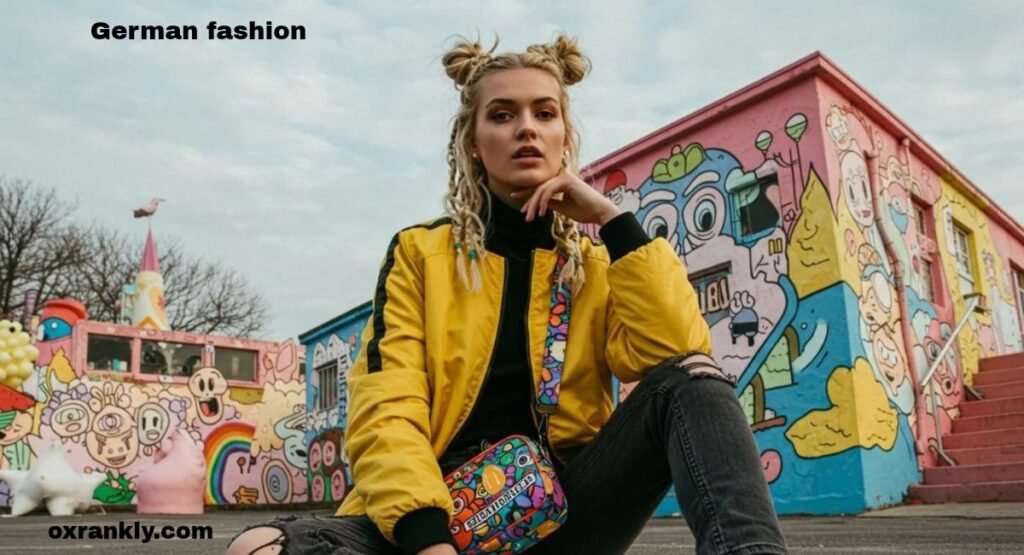

Introduction to German Fashion
German fashion is an interesting blend of traditional clothing, modern design, practical everyday outfits, and creative personal expression. Germany has developed a distinctive fashion identity influenced by its cultural heritage, diverse cities, changing lifestyles, and growing interest in sustainability. From classic tailored coats and minimalist wardrobes to bold streetwear and traditional Bavarian outfits, german fashion offers something for people with different tastes and preferences.
Fashion in Germany is not limited to luxury clothing or expensive designer labels. It also includes comfortable everyday wear, carefully selected accessories, durable footwear, and versatile pieces that can be worn across different seasons. Many German consumers appreciate clothing that combines quality, functionality, and a clean appearance. At the same time, younger generations are exploring expressive colors, oversized silhouettes, vintage outfits, and international trends.
Berlin, Munich, Hamburg, and Düsseldorf all contribute to Germany’s fashion culture in different ways. Berlin is widely associated with creative streetwear and experimental style, while Munich is known for its connection to traditional Bavarian dress and polished contemporary fashion. Hamburg offers understated urban clothing, and Düsseldorf has a strong association with fashion retail and the commercial side of the industry.
Understanding german fashion means looking beyond a single style. It involves exploring historical traditions, modern designers, seasonal clothing, sustainable choices, and the ways people use fashion to express their personalities. This guide explains these elements and shows how German-inspired outfits can help anyone build a stylish, practical, and versatile wardrobe.
The History and Development of German Fashion


The history of German fashion reflects the country’s changing social, political, and cultural landscape. Traditional clothing once varied significantly between regions, with garments designed around local customs, occupations, weather conditions, and community celebrations. These historical styles remain visible today, particularly during festivals and cultural events.
During earlier centuries, clothing often communicated a person’s regional background and social position. Rural communities relied on practical garments made from materials such as wool, linen, and leather. These fabrics were useful in different weather conditions and could withstand regular wear. Over time, decorative details, embroidery, buttons, and distinctive cuts helped give regional outfits their own identities.
The twentieth century brought major changes to German clothing culture. Industrial production made fashionable garments more accessible, while international influences introduced new silhouettes and materials. After the Second World War, economic recovery and changing lifestyles encouraged the growth of modern ready-to-wear clothing.
In later decades, youth culture, music, art, and international fashion movements influenced how Germans dressed. Denim, leather jackets, casual sneakers, and contemporary tailoring became part of everyday wardrobes. German cities also developed their own creative communities, helping independent designers experiment with shapes, materials, and unusual combinations.
Today, german fashion combines elements of its historical past with international design ideas. Traditional garments continue to appear at celebrations, while modern clothing reflects global influences, technological innovation, and changing attitudes toward quality and sustainability.
Traditional German Clothing and Cultural Heritage


Traditional German clothing remains an important part of the country’s cultural identity. Although people generally wear contemporary clothing in daily life, regional garments continue to be worn during festivals, weddings, folk events, and other special occasions.
Two of the most recognizable traditional garments are the dirndl and lederhosen. Both are closely associated with Bavaria and Alpine traditions, although similar clothing traditions exist in neighboring regions and countries.
The Dirndl
A dirndl is a traditional dress commonly associated with Bavarian and Alpine culture. It usually includes a fitted bodice, a blouse, a skirt, and an apron. Modern dirndls are available in a wide variety of colors, fabrics, lengths, and decorative styles.
Some designs feature delicate embroidery, lace, floral patterns, or elegant satin finishes. Others use simpler materials for a more understated appearance. Contemporary designers have also introduced modern cuts that combine traditional details with current fashion preferences.
Dirndls are especially visible during Oktoberfest and other regional celebrations. Many people choose their outfits according to personal taste, the occasion, and the level of formality.
Lederhosen
Lederhosen are traditional leather trousers or shorts historically associated with Alpine working and rural communities. They are often paired with checked shirts, wool socks, sturdy shoes, and suspenders.
Modern lederhosen can include detailed embroidery and carefully finished leather. While the traditional versions remain popular for festivals, fashion-inspired variations sometimes incorporate similar details into contemporary outfits.
Why Traditional Clothing Still Matters
Traditional clothing helps preserve regional heritage and provides a visible connection to the past. These garments are more than costumes: they represent craftsmanship, local customs, and cultural celebrations.
Traditional German dress is also a reminder that german fashion does not belong to one single aesthetic. It includes both heritage clothing and contemporary interpretations of regional design.
Modern German Fashion and Minimalist Style


Minimalism is one of the most recognizable influences associated with modern german fashion. This approach focuses on clean shapes, balanced proportions, versatile clothing, and a limited color palette. Rather than relying on heavy decoration or prominent logos, minimalist outfits use fabric quality, fit, and thoughtful styling to create an attractive appearance.
Popular minimalist colors include black, white, grey, navy, beige, cream, and brown. These shades work well together and make it easier to create different outfits from a relatively small wardrobe.
For example, a black pair of trousers can be styled with a white shirt for a smart look or a grey sweater for a relaxed appearance. A beige trench coat can complement jeans, tailored trousers, or a simple dress. These combinations are practical because individual pieces can be worn in many different ways.
Minimalist fashion does not mean that every outfit must look plain. Interesting textures, structured shoulders, carefully chosen accessories, and contrasting fabrics can create depth without making an outfit feel overly complicated.
This approach is particularly useful for people who want to look polished without spending too much time deciding what to wear. By investing in versatile basics, they can create a wardrobe that works for professional settings, casual outings, and social occasions.
Popular German Fashion Designers
German fashion has been shaped by designers who have explored everything from understated luxury to expressive contemporary clothing. Their work demonstrates that the country’s fashion identity includes several different creative directions.
Jil Sander
Jil Sander is widely associated with sophisticated minimalism. Her designs emphasize precise tailoring, luxurious materials, restrained colors, and clean silhouettes. Her influence helped establish a modern approach to luxury in which construction and fabric quality take priority over excessive decoration.
Her aesthetic remains relevant to people who prefer elegant clothing that looks refined without depending on conspicuous branding.
Karl Lagerfeld
Karl Lagerfeld was a German-born designer who became an internationally influential figure in fashion. He worked with major fashion houses, including Chanel and Fendi, and became known for his ability to reinterpret established design traditions for new audiences.
His career demonstrates how a designer’s background can contribute to international fashion while being transformed by experiences in different countries and fashion capitals.
Wolfgang Joop
Wolfgang Joop is another important name in German fashion. His work includes womenswear, accessories, and broader creative projects. He helped bring German design to international attention and became associated with expressive yet sophisticated fashion.
Hugo Boss
Hugo Boss is a major German fashion company particularly recognized for tailoring, business clothing, and contemporary menswear. Its collections have expanded to include casualwear, sportswear, footwear, and accessories.
The brand is a useful example of how german fashion combines traditional tailoring with modern commercial fashion.
Adidas and Puma
Adidas and Puma have German roots and have had a major influence on sportswear and streetwear. Their footwear, tracksuits, athletic apparel, and casual clothing have become part of everyday style in many countries.
These companies demonstrate that German fashion is not limited to luxury tailoring. Sportswear, technical materials, performance clothing, and casual design are also important parts of the country’s international fashion presence.
Berlin Fashion Creative Urban and Experimental


Berlin has developed a distinctive place in German fashion because of its creative communities, international population, music culture, and experimental approach to personal style. The city is known for outfits that combine practicality with individuality.
Unlike a strictly formal fashion environment, Berlin street style often embraces relaxed silhouettes, oversized jackets, graphic shirts, cargo trousers, dark colors, and comfortable sneakers. Some people prefer understated outfits, while others experiment with unconventional layering, unusual accessories, and striking combinations.
Music and nightlife have also influenced Berlin’s fashion identity. Electronic music culture, clubs, art spaces, and independent creative communities have encouraged styles that do not always follow traditional ideas about elegance.
Vintage clothing and secondhand shopping are also popular ways to develop a distinctive look. Combining an older leather jacket with modern trousers, for example, can produce an outfit that feels personal rather than copied directly from a current trend.
Berlin Fashion Week gives designers and fashion professionals opportunities to present collections, connect with industry audiences, and explore new ideas. Sustainability, technological innovation, and emerging talent have become important themes in the city’s fashion environment.
Berlin’s fashion culture is especially appealing to people who view clothing as a form of self-expression. It demonstrates that stylish dressing does not require following one set of rules.
German Fashion for Men
German men’s fashion often combines practical clothing with smart tailoring and clean styling. Many versatile outfits rely on a few reliable pieces rather than complicated combinations.
A classic men’s wardrobe might include straight-leg jeans, tailored trousers, plain T-shirts, Oxford shirts, knitwear, a structured jacket, and comfortable leather shoes. These garments can be adapted to different settings by changing the footwear, outerwear, or accessories.
Casual Men’s Clothing
For everyday wear, dark jeans, a neutral T-shirt, and white or black sneakers create an easy starting point. In cooler weather, a wool coat, bomber jacket, or lightweight puffer jacket can add warmth without sacrificing style.
Relaxed trousers and oversized sweatshirts are also useful for casual outfits. The key is to maintain balanced proportions so that loose clothing still looks intentional.
Smart Casual Style
Smart casual clothing is useful for dinners, office environments, and informal professional meetings. A fitted shirt, tailored trousers, leather sneakers, and a clean jacket can create an outfit that looks polished without being excessively formal.
Navy, charcoal, and beige are useful colors for this style because they pair easily with other wardrobe pieces.
Formal Men’s Fashion
German-inspired formal style often emphasizes well-fitted suits, crisp shirts, understated ties, and polished shoes. A charcoal or navy suit can be appropriate for business meetings, weddings, and formal events.
The most important factor is fit. Even an expensive suit may look unattractive if the shoulders, sleeves, or trousers are poorly proportioned. A simple, well-tailored outfit can look more sophisticated than one with excessive decorative details.
German Fashion for Women


Women’s german fashion includes everything from practical everyday outfits to elegant occasionwear and experimental designer collections. Many modern looks combine comfort, quality, and simple styling with individual details.
A versatile wardrobe can begin with straight-leg jeans, tailored trousers, neutral tops, a white shirt, a blazer, a comfortable dress, and a well-fitting coat. These pieces can be combined in several ways without requiring a large number of garments.
Everyday Women’s Style
For casual days, jeans with a fitted top and sneakers create a comfortable outfit. Adding a long coat or structured jacket can make the same combination look more polished.
Wide-leg trousers, knitwear, simple skirts, and flat shoes are also practical options. The best combination depends on the weather, personal comfort, and the occasion.
Office and Professional Clothing
For professional environments, tailored trousers, blazers, midi skirts, and understated dresses offer flexible choices. Neutral colors can create a coordinated appearance, while a colorful blouse or accessory adds personality.
Clothing should allow comfortable movement and suit the workplace. A stylish outfit does not need to feel restrictive to look professional.
Evening and Occasionwear
For evening events, a black dress, elegant jumpsuit, tailored suit, or flowing midi dress can provide a refined appearance. Accessories such as a clutch bag, earrings, or heeled shoes can change the overall effect without requiring a completely new outfit.
German fashion is diverse, so there is no single correct way to dress. The most successful look is one that fits the occasion while reflecting the wearer’s personality.
Seasonal Trends in German Fashion
Germany experiences noticeable seasonal changes, making adaptable clothing an important part of everyday dressing. Building outfits around layers helps people respond to changing temperatures while maintaining a consistent personal style.
Spring Fashion
Spring outfits often combine lightweight jackets, denim, knitwear, shirts, and comfortable shoes. Beige trench coats, neutral sweaters, and medium-weight trousers are practical choices when temperatures fluctuate.
Soft colors and lighter fabrics can introduce a fresh appearance after winter. A simple jacket can also be removed easily when the weather becomes warmer.
Summer Fashion
Summer clothing focuses on breathable materials and comfortable silhouettes. Cotton shirts, linen trousers, lightweight dresses, skirts, and simple sandals are useful options.
White, cream, pale blue, and earthy shades can create a fresh summer palette. However, bright colors and patterned garments also have a place in contemporary German fashion.
Autumn Fashion
Autumn is ideal for layering. Knit sweaters, long-sleeved shirts, trench coats, leather jackets, and ankle boots can be combined in different ways.
Brown, burgundy, olive, charcoal, and camel often work well for autumn outfits. Scarves can add warmth and texture while helping simple clothing feel more complete.
Winter Fashion
Winter clothing needs to provide warmth and protection against rain, wind, and cold temperatures. Wool coats, insulated jackets, sweaters, scarves, gloves, and practical boots are useful wardrobe essentials.
Layering is especially effective because indoor spaces may be heated while outdoor conditions remain cold. A warm base layer, knitwear, and a protective coat can offer flexibility throughout the day.
Across all four seasons, versatile garments and thoughtful layering make it easier to remain comfortable without abandoning personal style.
Sustainable German Fashion and Eco-Friendly Clothing


Sustainability has become an important topic in the German fashion industry. Designers, manufacturers, retailers, and consumers are increasingly discussing how clothing is produced, how long it lasts, and what happens when garments are no longer needed.
The idea of sustainable fashion focuses on reducing unnecessary waste and making more thoughtful clothing choices. Instead of buying large quantities of inexpensive garments that may quickly lose their appeal, consumers can consider purchasing durable pieces that remain useful for several years.
Choosing Better Fabrics
Fabric selection can influence comfort, durability, and environmental impact. Organic cotton, linen, recycled fibers, and responsibly sourced materials are among the options that consumers may investigate when shopping for clothing.
However, no single fabric automatically makes a garment sustainable. Production methods, transportation, durability, dyeing processes, and the way an item is eventually discarded also matter.
Buying Secondhand Clothing
Secondhand shopping provides another way to explore fashion while extending the useful life of existing garments. Vintage jackets, classic denim, knitwear, and older accessories can add character to a wardrobe.
Pre-owned clothing can also be an affordable option for people who want to experiment with different styles without spending heavily on new items.
Building a Long-Lasting Wardrobe
A practical wardrobe contains clothing that works well together and suits the wearer’s actual lifestyle. Purchasing fewer but more versatile items can reduce unnecessary spending and help avoid unused clothing.
Sustainability initiatives are also part of the wider German fashion conversation. Berlin’s fashion sector, in particular, has highlighted circular fashion, upcycling, responsible production, and fashion technology as areas for development.
Sustainable german fashion is therefore not simply about following an environmental trend. It can also involve caring for clothes properly, repairing damaged garments, choosing quality over quantity, and making more informed purchasing decisions.
German Streetwear and Sportswear Trends
Streetwear has become a major part of contemporary clothing culture, and German brands have helped shape the international market for athletic and casual apparel.
Sportswear is particularly associated with comfort, movement, and functional design. Sneakers, track jackets, hoodies, relaxed trousers, and technical outerwear can all be used to create outfits that work beyond the gym.
German sportswear companies such as Adidas and Puma have contributed to the popularity of athletic-inspired clothing. Their products are worn by athletes, fashion enthusiasts, and people who simply prefer comfortable everyday outfits.
How to Style Streetwear
One easy approach is to combine a loose sweatshirt with straight-leg jeans and clean sneakers. A structured jacket can make the outfit look more deliberate, while a cap or simple bag can provide a finishing touch.
Another option is to mix sporty and tailored pieces. For example, relaxed trousers can be paired with a minimalist T-shirt and modern sneakers. This combination brings together comfort and a more polished silhouette.
Oversized Clothing
Oversized clothing remains a recognizable feature of many contemporary streetwear looks. Loose jackets, wide-leg trousers, roomy shirts, and relaxed sweatshirts create a casual appearance.
Proportion is important when styling oversized garments. Pairing a loose top with more structured trousers, or balancing wide-leg pants with a simpler upper layer, can prevent the outfit from looking unbalanced.
Footwear and Accessories
Sneakers are an important component of streetwear, but practical boots, loafers, and simple leather shoes can also work with casual outfits.
Crossbody bags, backpacks, caps, belts, and understated jewelry provide opportunities to personalize a look. The best accessories are those that complement the clothing rather than overwhelm it.
German Fashion Brands Worth Knowing
German fashion includes brands that specialize in tailoring, sportswear, luxury clothing, accessories, and contemporary everyday essentials. Understanding their different strengths can help shoppers identify styles that suit their needs.

Hugo Boss is associated with tailored clothing, formalwear, contemporary business fashion, and refined casualwear. Its collections appeal to shoppers looking for coordinated outfits and polished silhouettes.

Jil Sander is known for minimalist luxury, precise cuts, restrained color palettes, and attention to materials. The label is particularly relevant to people who appreciate understated elegance.

Adidas combines athletic performance with lifestyle clothing. Sneakers, tracksuits, T-shirts, and casual jackets make the brand relevant to sportswear and streetwear enthusiasts.

Puma focuses on sportswear, athletic footwear, and casual lifestyle products. Its designs can be incorporated into relaxed outfits built around comfort and movement.

MCM is recognized for luxury leather goods, bags, luggage, and accessories. Its products provide a different direction within german fashion, emphasizing recognizable accessories and statement styling.
These brands serve different audiences and price ranges. Their inclusion does not mean that every product represents the same aesthetic. Some emphasize luxury and tailoring, while others focus on athletic functionality or accessories.
When shopping, consider your budget, the garment’s construction, its versatility, and how frequently you expect to wear it. A brand name alone does not guarantee that a particular item is the best choice.
How to Create a German-Inspired Wardrobe
Creating a German-inspired wardrobe does not require buying an entirely new collection of clothes. You can begin with existing garments and gradually introduce pieces that reflect the characteristics you like most about German style.
Step 1: Start with versatile basics. Choose a few T-shirts, shirts, trousers, jeans, and knitwear pieces that fit comfortably. Neutral colors make it easier to combine different garments.
Step 2: Invest in suitable outerwear. A well-fitting coat, trench coat, leather jacket, or lightweight jacket can transform a simple outfit. Choose according to your climate and daily routine.
Step 3: Pay attention to fit. Clothing should sit comfortably on the shoulders, allow movement, and have an appropriate length. Tailoring small details can improve the overall appearance of an outfit.
Step 4: Choose practical footwear. Clean sneakers, boots, loafers, or formal shoes can serve different purposes. Select footwear based on comfort, weather, and the occasions you attend.
Step 5: Add individual details. Scarves, bags, belts, jewelry, and watches can make a simple outfit feel personal. You can introduce color through these accessories without changing your entire wardrobe.
Step 6: Consider quality and care. Read care labels, follow washing instructions, repair minor damage, and store seasonal clothing properly. Looking after garments can help them remain wearable for longer.
Step 7: Experiment with different aesthetics. Minimalist outfits are only one part of German fashion. Try streetwear, classic tailoring, vintage clothing, or traditional-inspired accessories to discover what suits you.
The objective is not to copy every German trend. It is to create a wardrobe that feels comfortable, works for your lifestyle, and expresses your own preferences.
German Fashion and International Influence
German fashion continues to interact with clothing trends from France, Italy, the United Kingdom, the United States, and other parts of the world. International fashion shows, social media, online shopping, and global retail brands have made it easier for people to discover different styles.
German designers contribute to this international exchange through tailoring, minimalist design, sportswear, technical fabrics, and experimental collections. At the same time, German consumers adapt global trends to their own preferences, creating combinations that reflect both international influences and local lifestyles.
For example, a person might combine Italian-inspired leather accessories with a German-style minimalist coat and internationally popular sneakers. Another might pair traditional Bavarian elements with modern clothing for a contemporary interpretation of heritage style.
Social media has also made streetwear and everyday styling more visible. Fashion enthusiasts can explore outfit ideas, experiment with new combinations, and learn how to build wardrobes around specific colors or silhouettes.
However, international influence does not mean that every trend becomes popular everywhere. Personal taste, affordability, climate, workplace expectations, and cultural traditions continue to shape the way people dress.
The lasting appeal of german fashion comes from its variety. It can be understated or expressive, traditional or contemporary, sporty or elegant. This flexibility allows it to evolve while retaining recognizable design influences.
The Future of German Fashion
The future of German fashion will likely involve continued experimentation with materials, production methods, digital technology, and more responsible consumption.
Fashion technology can support new approaches to garment design, manufacturing, and retail. Digital tools may help designers test ideas, visualize collections, and improve production planning. New textile technologies can also create opportunities for functional clothing that responds to specific needs.
Another important area is circular fashion. This approach considers how garments can be reused, repaired, resold, or recycled rather than discarded after a short period. It encourages designers and consumers to think about the full life cycle of clothing.
Emerging designers are also helping expand the definition of German style. By exploring different cultural influences, unconventional silhouettes, inclusive designs, and new materials, they contribute fresh perspectives to the industry.
Fashion education and professional support remain important for developing new talent. Organizations such as the Fashion Council Germany work to strengthen the country’s fashion and design landscape, including its technological and sustainability ambitions.
Challenges remain, including the environmental impact of production, competition in international markets, and the need to balance affordability with quality. Addressing these issues will require cooperation among designers, manufacturers, retailers, and consumers.
As these developments continue, german fashion has opportunities to combine its established strengths in design and functionality with new ideas about creativity, technology, and responsible clothing.
Conclusion
German fashion represents a diverse combination of cultural heritage, modern minimalism, practical everyday clothing, sportswear, and creative design. From traditional dirndls and lederhosen to contemporary tailoring and Berlin streetwear, its many influences demonstrate that German style cannot be reduced to one particular look.
Designers such as Jil Sander have helped establish an association with understated elegance, while brands such as Hugo Boss, Adidas, and Puma illustrate the country’s influence across tailoring, sportswear, and casual clothing. Cities such as Berlin, Munich, Hamburg, and Düsseldorf contribute different perspectives to the wider fashion landscape.
For anyone interested in developing a German-inspired wardrobe, the most useful starting points are versatile basics, suitable outerwear, comfortable footwear, thoughtful layering, and clothing that fits well. Sustainable purchasing decisions and proper garment care can also help create a wardrobe that remains useful over time.
Ultimately, german fashion is about more than clothing trends or famous brands. It reflects the relationship between design, culture, practicality, and individual expression. Whether you prefer minimalist outfits, bold streetwear, elegant tailoring, or traditional clothing, German fashion provides plenty of inspiration for creating a personal style that feels both modern and timeless.



Pingback: Lederhosen Outfit A Complete Guide to Traditional German Style Modern Trends and Styling Tips- oxrankly.com